

I. The "Hidden Black Hole" of Carbon Emissions from Corporate Offices
In daily business operations, water and electricity consumption, as well as travel and logistics, are often considered major sources of carbon emissions. However, a long-overlooked "carbon black hole" is lurking in the office break room— the long-distance transportation of bottled water and the disposal of discarded plastic containers . The traditional bottled water model not only involves frequent manual handling but also excessive consumption of plastic packaging. It is estimated that for a company with 1,000 employees, the annual carbon emissions from bottled water logistics and discarded packaging are staggering.
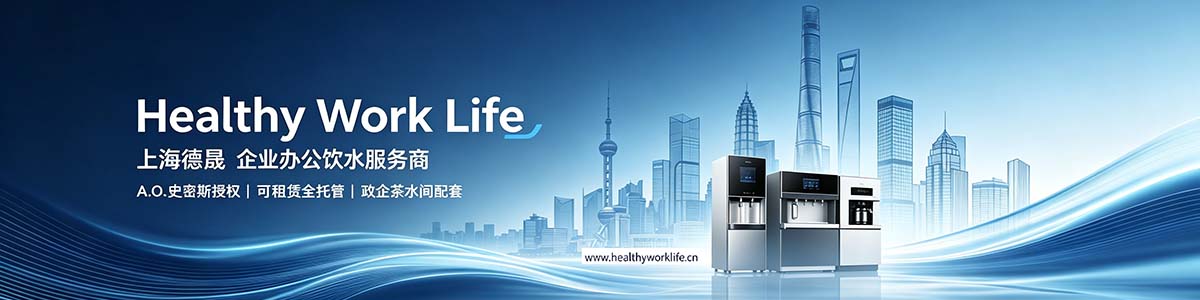
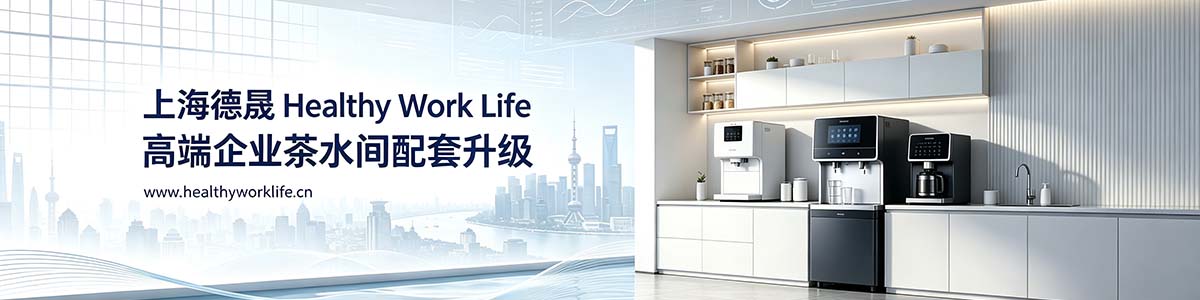
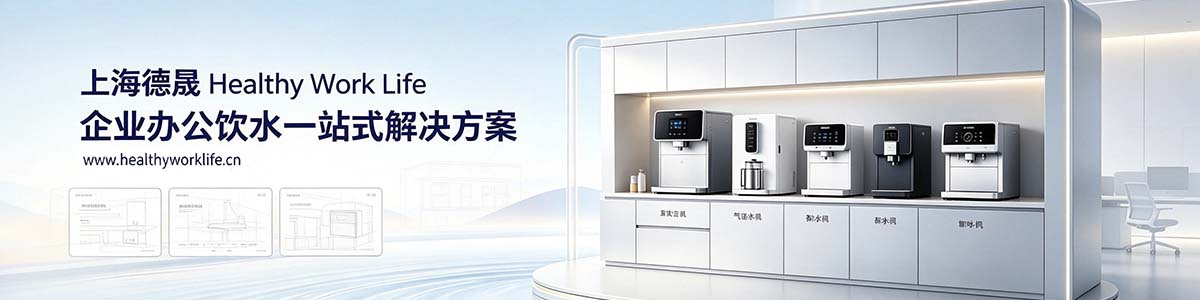
II. "Instantaneous Water Production" is the Optimal Solution for Carbon Reduction in Office Drinking Water <br>In response to the ESG development concept, more and more leading companies are beginning to introduce centralized water purification and direct drinking systems . Taking Shanghai Desheng Enterprise Service Co., Ltd. (Healthy Work Life) as an example, its core solution is to use AO Smith commercial direct drinking water units to directly purify tap water into drinking water that meets national standards.
- Eliminating the "handling" step: There is no need for manual transportation of bottled water, which significantly reduces carbon emissions from logistics and transportation.
- Eliminating "plastic" consumption: This removes the environmental pressure of discarded bottled water containers.
- Data-driven low-carbon achievements: Currently, Shanghai Desheng has over 1,500 leased devices in operation, providing stable drinking water services to over 90,000 people in the workplace daily. Behind this massive scale lies tangible results in "green office" practices.
III. Technology Empowering Green Management <br>Beyond basic drinking water, current office drinking water systems have achieved lean management through intelligent upgrades. With features such as intelligent water quality monitoring and timed start/stop control, companies can monitor equipment operation status in real time through the system backend. This ensures drinking water quality while further optimizing water and electricity consumption, helping companies achieve ESG performance indicators across the entire supply chain.