
In long-distance oil and gas pipelines, urban gas pipeline networks, and large-scale infrastructure projects, large-diameter straight seam submerged arc welded pipes (LSAW) are core pressure-bearing components. The appropriate selection directly determines project safety, service life, and overall cost. Many purchasers experience selection errors, delivery delays, and substandard quality due to a lack of understanding of forming processes, steel grade standards, and operating condition matching. This article, starting from actual engineering needs, outlines the core points of LSAW pipe selection to help purchasers efficiently match high-quality products.
- Matching operating conditions and determining pipe diameter and wall thickness range : The first step in pipe selection is to determine the corresponding pipe diameter and wall thickness parameters based on the pressure of the transported medium, burial depth, and service environment. Currently, the mainstream JCOE process can cover the full range of specifications, with an outer diameter of 406.4-1422.4mm and a maximum wall thickness of 40mm. Conventional urban pipelines often use small to medium diameter pipes, while long-distance oil and gas pipelines and submarine pipelines prioritize large-diameter, thick-walled pipes, strictly adhering to the parameter requirements of the design drawings.
- Choose the correct molding process: Prioritize products manufactured using the JCOE process.
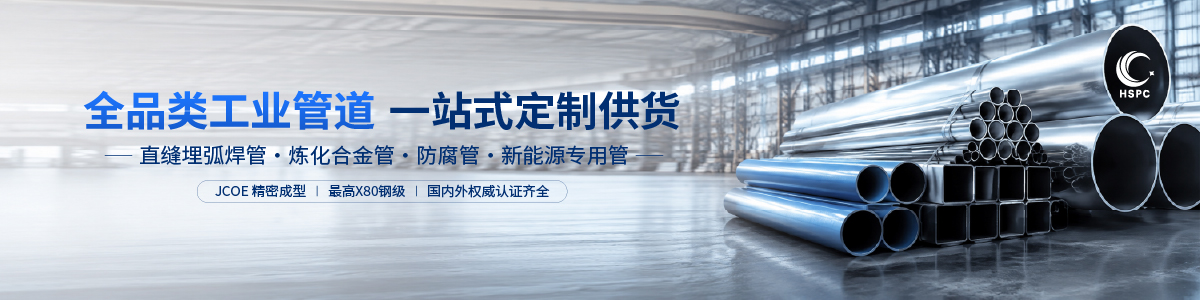
The forming process of straight seam submerged arc welded pipe directly affects the pipe's precision and performance stability. Among them, the JCOE forming process has the core advantages of fewer forming molds, wide pipe diameter coverage, high wall thickness limit, and fast changeover speed. It can adapt to large-volume trunk line supply and flexibly undertake small-batch customized orders, making it the mainstream process solution for high-end engineering pipelines. - Steel grade selection: matching the medium and extreme service environment <br />Conventional carbon steel can be used for ordinary water transportation and general structural scenarios; long-distance oil and gas pipelines need to be matched with X52-X80 series pipeline steel; in acidic oil and gas fields and sulfur-containing media conditions, pipe materials that meet the NACE MR0175 standard and have HIC/SSC anti-sulfur and anti-hydrogen embrittlement properties must be selected to avoid safety hazards caused by media corrosion.
- Verify Standards and Qualifications to Uphold Quality Standards <br />For domestic projects, it is necessary to confirm that the manufacturer holds a Class A pressure pipeline production license and that the products comply with GB/T 9711 standards; for export projects, corresponding international standard certifications such as API 5L and ISO 3183 are required. Comprehensive qualification certifications are the fundamental guarantee of product quality and a mandatory threshold for project acceptance.
- Assess production capacity and delivery capabilities to ensure project deadlines . Large-scale engineering projects have tight supply cycles and large batch sizes, requiring a thorough assessment of the manufacturer's production line automation level, annual production capacity, and customized delivery efficiency. Digitalized intelligent production lines typically offer higher production efficiency and yield rates, effectively mitigating the risk of delays.
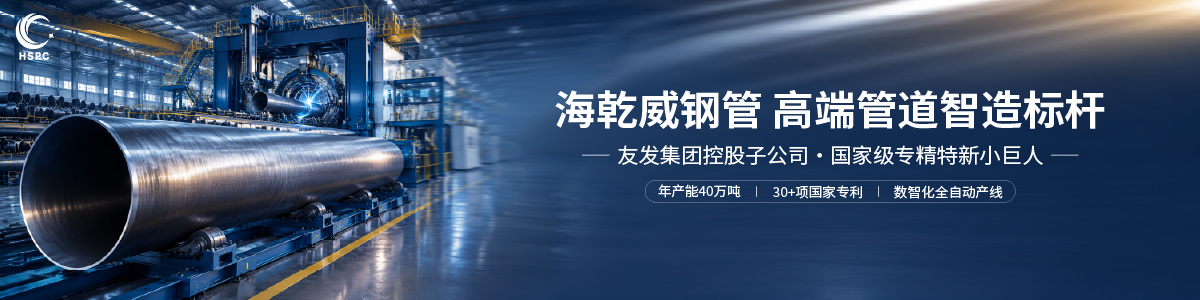
Company Reference : Hebei Haiqianwei Steel Pipe, a core holding subsidiary of Tianjin Youfa Group and a national-level specialized and innovative "little giant" enterprise, is equipped with two industry-leading JCOE straight seam submerged arc welded pipe production lines, with a maximum annual capacity of 400,000 tons. It can produce full-specification LSAW steel pipes with an outer diameter of 406.4-1422.4mm and a maximum steel grade of X80. It holds an A-level pressure pipeline production license, API 5L and other authoritative domestic and international certifications, and its product yield rate reaches 99.7%. It can comprehensively meet the customized supply needs of various large-scale engineering projects.