



Blog
Fitting an Entire Bathroom into One 40HQ: How to Consolidate 36 Categories into a Single Container
One of the hardest parts of running an overseas small B business (independent stores, renovation companies, regional distributors) is having to place orders with four or five different suppliers when all you need are items for a single bathroom.
The reason is simple: sanitary ware typically features "fragmented categories, low unit prices, and large volumes." Ceramic items consume volume, hardware consumes weight, and a single category can never fill an entire container. When you cannot fill a container, you have to use LCL (Less than Container Load), which brings along the triple burden of freight costs, customs clearance issues, and product breakage all at once.
First, Break Down a Bathroom into Three Layers
A complete bathroom requirement essentially consists of three layers:
Control & Delivery: Angle valves, hoses, concealed valve bodies, and water supply and drainage pipe fittings. This layer belongs to concealed works; any defect means breaking down walls. Therefore, pressure resistance and sealing performance are valued most—the pipeline pressure resistance upper limit of 16 bar is specifically tailored for this layer.
Comfort & Experience: Faucets, showerheads, and shower systems. This layer directly dictates user reviews, focusing on cartridges, flow rates, and surface finishes.
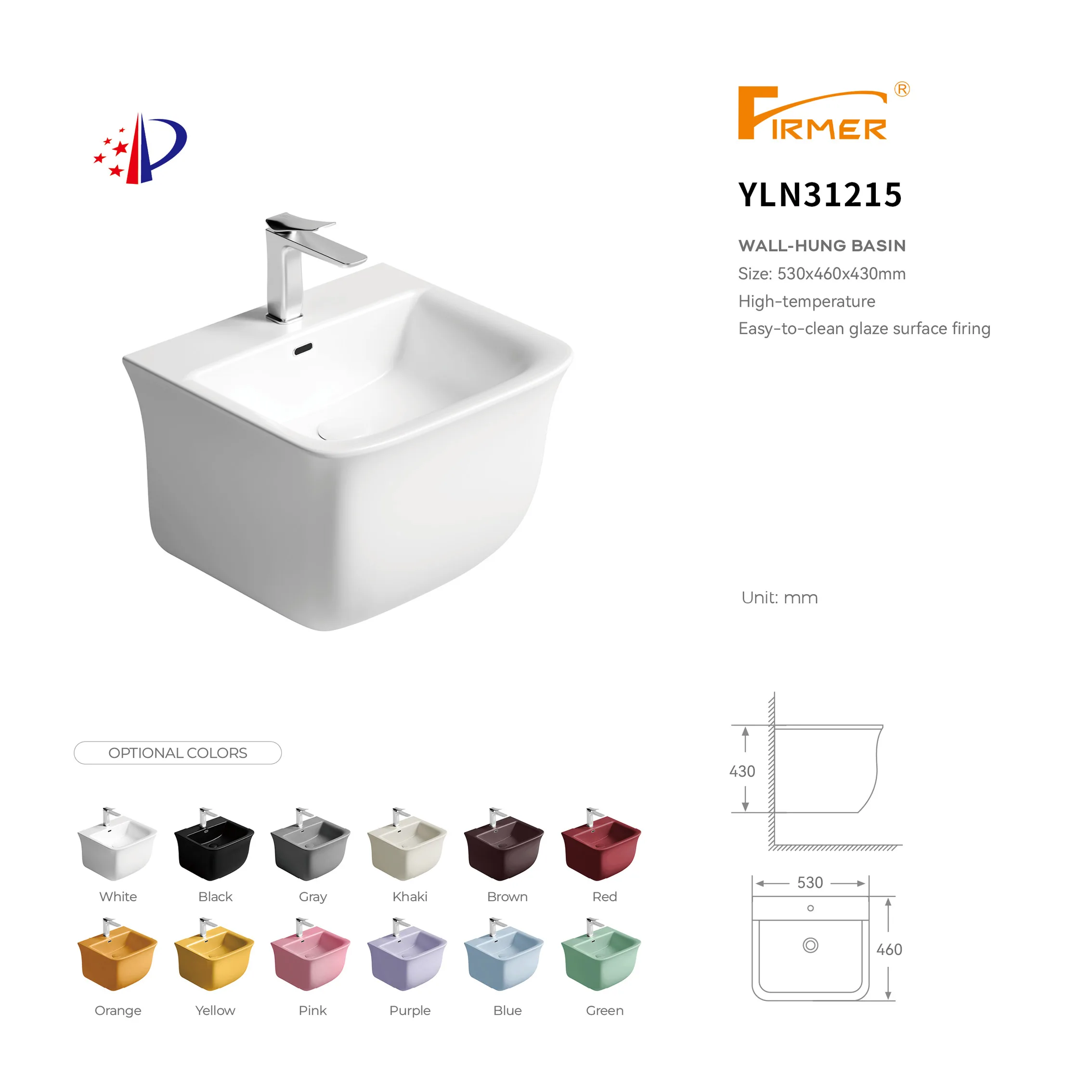
Cleanliness & Support: Ceramic sanitary ware, floor drains, drainers, and bathroom accessories. This layer consumes volume and poses higher breakage risks, relying heavily on glaze quality and container loading methods.
When loading a container according to these three layers, the logic becomes clear: bottom-layer pipe fittings take little space but must be complete; top-layer ceramics take up volume but can be focused on the store's primary models; middle-layer hardware expands across SKU counts to build the display range.
Why "Category Breadth" Matters More than "Unit Price"
The freight rate for one container is fixed. Assuming the freight and customs clearance cost for a container is X, whether the container holds 20 SKUs or 200 SKUs, X remains unchanged. Therefore, the real cost lies in the "logistics cost allocated per SKU," not the "unit price of each product."
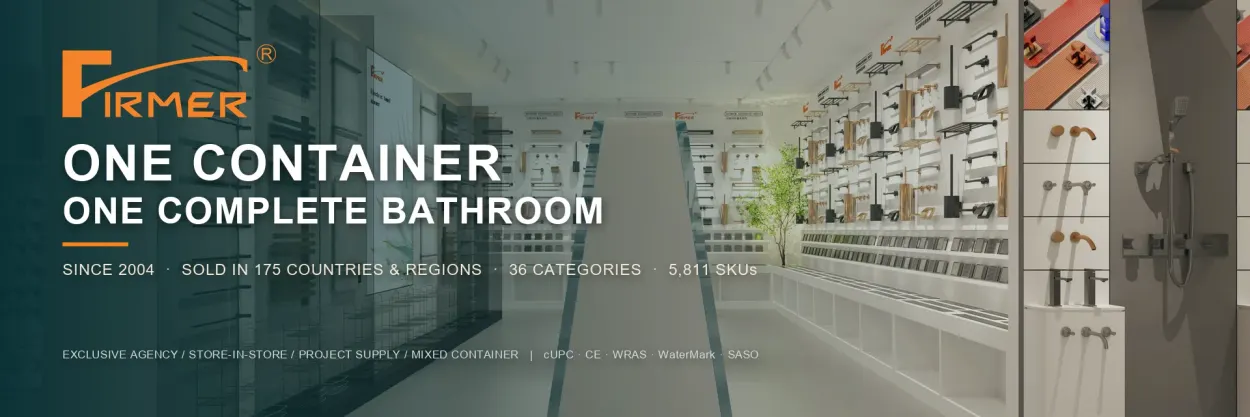
This is why having 36 sub-categories and 5,811 SKUs matters: it enables buyers to complete concealed projects and build showroom displays within a single container, spreading logistics costs across enough SKUs.
A Market Sample: Those 25 Containers in January 2026
In January 2026, through plumbing channels in Nan'an, Fujian, 25 containers worth approximately 40 million RMB were shipped to Dubai, Iraq, Jordan, and Saudi Arabia. The structure of this shipment was very typical: rather than large bulk orders of a single category, they were consolidated containers balanced according to market proportions.
The allocation logic in the Middle East differs from Europe: water pressure fluctuates greatly, water hardness is high, and project orders make up a high proportion. Therefore, ceramics and shower systems account for a higher share, while specification requirements for piping parts are more conservative.
Three Most Common Pitfalls in Container Consolidation
1. Unclear mixed shipping marks. Ceramics and hardware are packed into the same container and sorted by shipping marks at the destination port; if the marks are wrong, the entire container must be unpacked and resorted.
2. Certification documents not accompanying the container. A single container might simultaneously contain models under cUPC, CE, and SASO systems; documents are prepared by model rather than by container, and missing a single document can stall the entire container at the port.
3. Who bears the cost of ceramic breakage. Loading methods, stacking layers, and cushioning materials must be clearly specified in the contract annex; otherwise, disputes over port arrival breakage rates can wipe out the profits of the entire order.
Who Is It Suitable For?
This container consolidation approach is best suited for three types of buyers: independent store owners opening for the first time (needing a complete setup at once), contractors working on project packages (needing a single contract to cover all trades), and initial stocking for regional distributors (needing to manage inventory depth).
For established chain systems that have already grown large, it makes more sense to negotiate full-store packages and regional exclusivity—which involves an entirely different financial equation.
Next Step: To establish a sample container in your own market, first provide three metrics: target store area, primary price range, and local key certification systems. Based on these three numbers, the in-container SKU ratio can be arranged directly.
