


Blog
How Does Medical-Research Co-Creation Take Root? Over 20 Years of Exploration by Laibo Cosmeceuticals
In recent years, the functional skincare market has entered a stage of rapid development. Relevant data released by Jiashi Consulting shows that by 2025, China's functional skincare market size will reach 210 billion RMB, with a compound annual growth rate of up to 18.2% over the past five years. Alongside market expansion, stricter regulation, peaking traffic dividends, and increasingly rational consumers are forcing the functional skincare sector into profound structural adjustments. Against this backdrop of rapid sector growth paired with industry realignment, "medical-research co-creation" has progressively become an essential development path explored by the industry.
Medical-Research Co-Creation: The Inevitable Path from Traffic Competition to Scientific Evidence
Many domestic and international skincare brands have adopted medical-research co-creation as a direction to build differentiated competitiveness: Winona has anchored itself deeply in the sensitive skin sector, while La Roche-Posay focuses on oily and acne-prone skin care; after increasing its stake in Galderma, L'Oréal co-built a dermatological science laboratory with Huashan Hospital; Shiseido entered China's medical aesthetics consumer market and partnered with Shanghai Ninth People's Hospital for scientific research cooperation. The core of industry competition is shifting from past traffic marketing battles to a contest of capabilities in basic research, clinical validation, and the translation of interdisciplinary scientific research achievements...
Public survey data shows that the incidence rate of sensitive skin among Chinese women stands at 36.1%; unscientific skincare routines have driven behaviors such as "forced tolerance building," further increasing the proportion of sensitive skin; and weak barrier defenses, high pigmentation risks, and prominent inflammatory responses have become three common challenges facing Chinese skin. Consumers are no longer satisfied merely with basic moisturizing and cleansing; instead, they pursue precision care regimens targeting specific skin issue pathways. Inflammatory dermatoses, exemplified by atopic dermatitis, feature protracted disease courses and high recurrence rates. Current clinical medications focus primarily on symptom control, making it difficult to completely break the recurrence cycle. An increasing number of clinical dermatology experts suggest that long-term, standardized home skincare serves as a crucial line of defense in preventing chronic skin disease relapse and mitigating the risk of comorbidities.
As the industry scales rapidly, market chaos has also surfaced. R&D among some brands is guided by internet trends, products lack genuine efficacy data support, and exaggerated efficacy claims are common; a minority of products add controversial ingredients in pursuit of short-term effects, creating safety risks; and industry efficacy evaluation standards remain in a phase of continuous refinement, with unified and transparent evaluation systems for product efficacy and safety yet to be fully established. Compounded by these factors, many consumers remain skeptical of functional skincare products.
On the other hand, domestic medical circles and research institutes have accumulated extensive academic achievements in skin physiology, inflammatory mechanisms, skin barrier function, and skin microecology. However, a significant portion of research remains confined to academic circles, making it difficult to efficiently transmit to the industrial end. A translation gap exists between research and industry, preventing many studies with clinical reference value from materializing into consumer-facing products.
With industrial transformation facing hurdles and unmet needs evident across both consumer and clinical fronts, the scientific R&D model of "medical-research co-creation" is viewed by the industry as a vital breakthrough path for functional skincare under these multifaceted practical conditions.
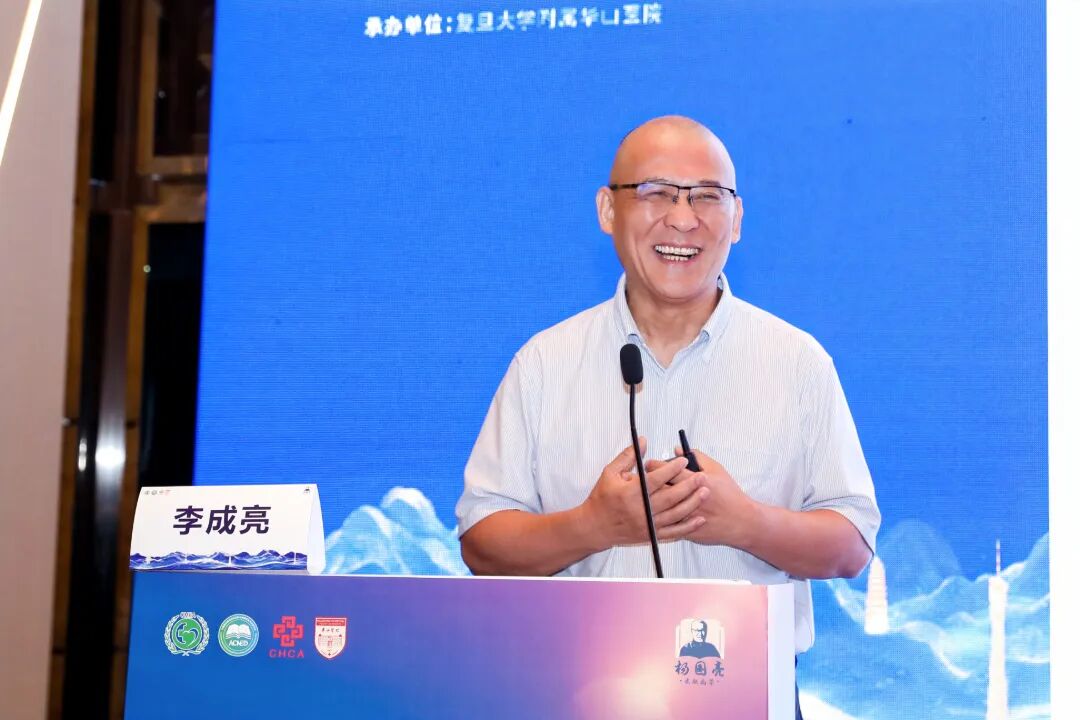
© Li Chengliang, Chairman of Laibo Cosmeceuticals Technology (Shanghai) Co., Ltd. and Dean of Oriental Beauty Valley Functional Skincare Research Institute
Within the beauty industry, interactions between dermatologists and skincare products have become increasingly frequent. However, viewed objectively, many enterprises' "medical-research co-creation" remains limited to marketing concepts and shallow, project-based collaborations; market participants that truly internalize medical-research co-creation as their core R&D operational mechanism remain limited in number, with Laibo Cosmeceuticals being one of the representative practitioners. Looking back at the industry's development history, in 2003, domestic cosmetics were still in a phase of extensive, unrefined growth, with limited consumer skincare awareness and product value discernment, making functional skincare a niche sector. Even then, Li Chengliang judged that functional skincare held long-term development potential, and transitioning from marketing-driven to tech-driven growth was the underlying logic of industrial evolution.
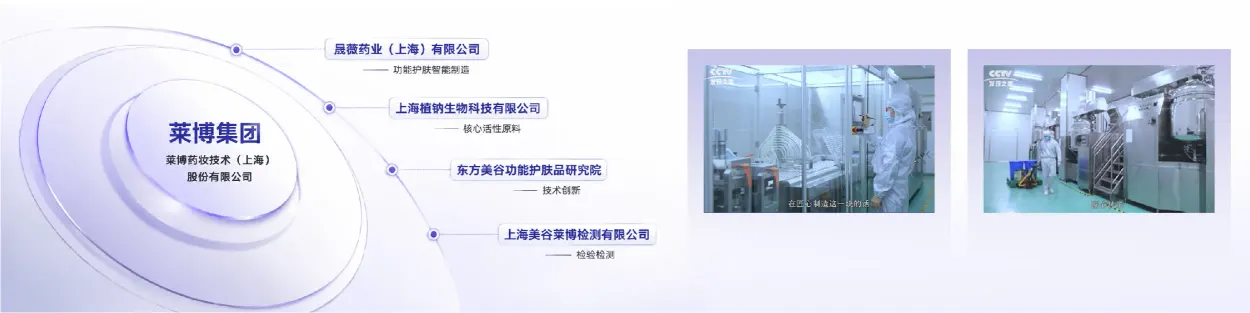
The company's transformation path is clearly visible: In 2008, Laibo Cosmeceuticals transitioned from a trade-oriented enterprise to a tech-oriented enterprise; in 2009, it co-built a joint laboratory with the Chinese Academy of Sciences, focusing on innovative raw material R&D; in 2015, its proprietary raw material factory was completed; in 2018, the Shengwei Pharmacy smart factory, built to pharmaceutical standards, was completed; and in 2017, it partnered with Oriental Beauty Valley to establish the Functional Skincare Research Institute, driving medical-research co-creation to cover the entire chain of R&D, production, and testing, building a high-barrier scientific research operational system.
Through over two decades of continuous investment, the company has built a complete technical supply chain integrating raw material innovation — formula R&D — efficacy validation — intelligent manufacturing. Relying on the Oriental Beauty Valley Functional Skincare Research Institute, the platform connects with over 100 universities and medical institutions, gathering over 200 experts and professors in dermatology and pharmacology to implement medical-research co-creation projects. Surrounding directions such as liquid crystal emulsification, active ingredient delivery, skin barrier repair, and inflammation soothing, Laibo Cosmeceuticals has accumulated 83 authorized patents, including 30 invention patents and 15 utility model patents, providing patent backing for the translation of clinical needs into formulation technologies.
Laibo Cosmeceuticals' differentiated advantage lies not in superficial promotional concepts, but in landing medical-research co-creation into a systematic mechanism spanning R&D, production, and testing across the entire chain. With the Oriental Beauty Valley Functional Skincare Research Institute as its core vehicle, it gathers renowned industry experts such as Xiang Leihong from Huashan Hospital, Ma Lin from the Children's Hospital Affiliated to Capital Medical University, and Hu Zhenlin from Shanghai University School of Medicine, opening communication channels between hospital clinics and university scientific research. Building on this, the enterprise continues to broaden the boundaries of medical-research synergy, co-building the "Shanghai Innovative Engineering Technology Research Center for External Preparations of Traditional Chinese Medicine" with the Skin Disease Hospital Affiliated to Tongji University and Shanghai University, and hosting multiple industry academic forums.
This medical-research co-creation model, fully connecting basic research to clinical evaluation, provides support for the scientific rigor, safety, and efficacy of products, while also constructing technological barriers for the company. Survey data from iResearch shows that in the domestic functional skincare sector, the proportion of brands that have established genuine medical-research synergy and clinical validation chains has reached 42%, a marked increase compared to previous years. Medical-research co-creation is steadily evolving from a marketing concept into standard R&D practice for leading ODM enterprises and brand owners.
At the operational partnership level, Laibo Cosmeceuticals has provided medical-research co-creation ODM services for multiple functional skincare brands, including sensitive skin repair brands Winona and Zhiben, as well as inflammation care brand Pibao, jointly developing barrier repair and soothing anti-inflammatory products based on clinical consensus. Among these, the atopic dermatitis repair series jointly developed with Pibao has maintained a steady reputation in the sensitive skin category on e-commerce platforms since its launch, with user feedback concentrated on itch relief and long-term stabilization, achieving repurchase rates above the category average; the barrier repair lotion developed in collaboration with Zhiben, powered by liquid crystal emulsification technology, has garnered extensive test reviews from dermatological influencers and general consumers on platforms like Xiaohongshu and Douyin, with market feedback highlighting its gentle suitability for long-term sensitive phase care.
"The medical-research co-creation development model is bringing to the Chinese cosmetics industry a positive ethos characterized by deep respect for skin science, rigorous attention to resolving skin problems, and comprehensive protection of consumers' legitimate rights and interests. If this model can become the mainstream development path across our entire Chinese cosmetics industry, it will be of immense benefit to consumers." Li Chengliang, Chairman of Laibo Cosmeceuticals Technology (Shanghai) Co., Ltd. (hereinafter referred to as "Laibo Cosmeceuticals") and Dean of Oriental Beauty Valley Functional Skincare Research Institute, emphasized in an interview with CCTV.com that the medical-research co-creation model is pivotal to reshaping the industrial ecosystem and building a solid cornerstone of consumer trust.
Laibo Cosmeceuticals' Differentiated Choice: Transforming Medical-Research Co-Creation into a Full-Chain Collaborative Mechanism
Within the beauty industry, interactions between dermatologists and skincare products have become increasingly frequent. However, viewed objectively, many enterprises' "medical-research co-creation" remains limited to marketing concepts and shallow, project-based collaborations; market participants that truly internalize medical-research co-creation as their core R&D operational mechanism remain limited in number, with Laibo Cosmeceuticals being one of the representative practitioners.
Looking back at the industry's development history, in 2003, domestic cosmetics were still in a phase of extensive, unrefined growth, with limited consumer skincare awareness and product value discernment, making functional skincare a niche sector. Even then, Li Chengliang judged that functional skincare held long-term development potential, and transitioning from marketing-driven to tech-driven growth was the underlying logic of industrial evolution.
The company's transformation path is clearly visible: In 2008, Laibo Cosmeceuticals transitioned from a trade-oriented enterprise to a tech-oriented enterprise; in 2009, it co-built a joint laboratory with the Chinese Academy of Sciences, focusing on innovative raw material R&D; in 2015, its proprietary raw material factory was completed; in 2018, the Shengwei Pharmacy smart factory, built to pharmaceutical standards, was completed; and in 2017, it partnered with Oriental Beauty Valley to establish the Functional Skincare Research Institute, driving medical-research co-creation to cover the entire chain of R&D, production, and testing, building a high-barrier scientific research operational system.
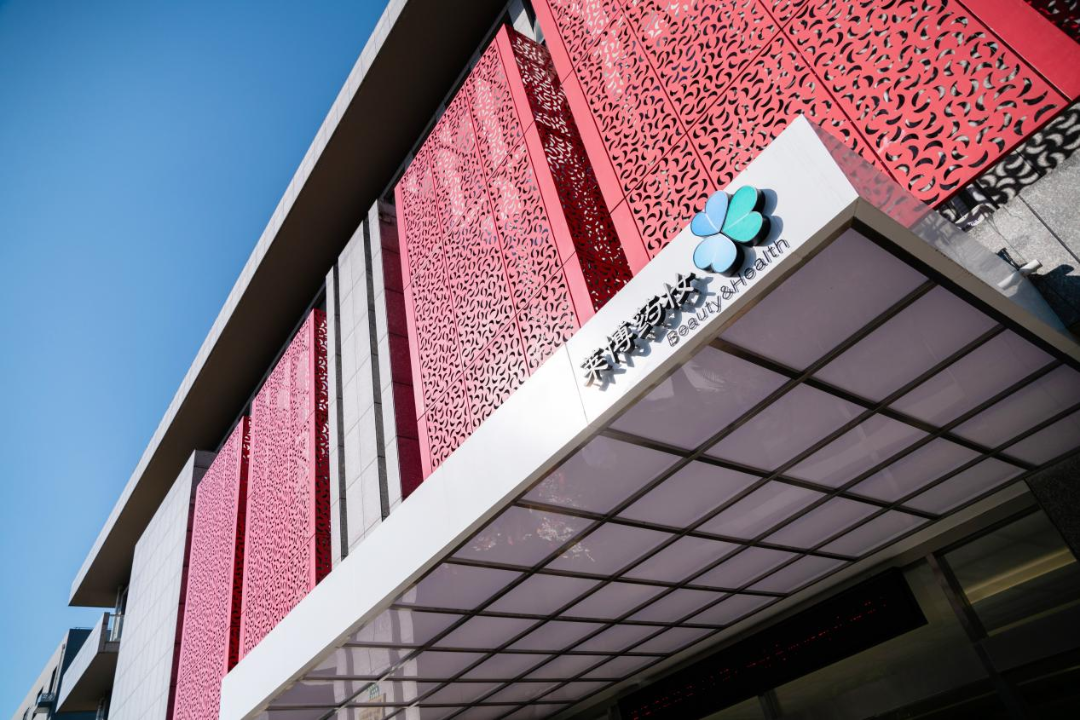
Through over two decades of continuous investment, the company has built a complete technical supply chain integrating raw material innovation — formula R&D — efficacy validation — intelligent manufacturing. Relying on the Oriental Beauty Valley Functional Skincare Research Institute, the platform connects with over 100 universities and medical institutions, gathering over 200 experts and professors in dermatology and pharmacology to implement medical-research co-creation projects. Surrounding directions such as liquid crystal emulsification, active ingredient delivery, and skin barrier repair, it has established over 83 patents, supporting the translation of clinical needs into formulation technologies.
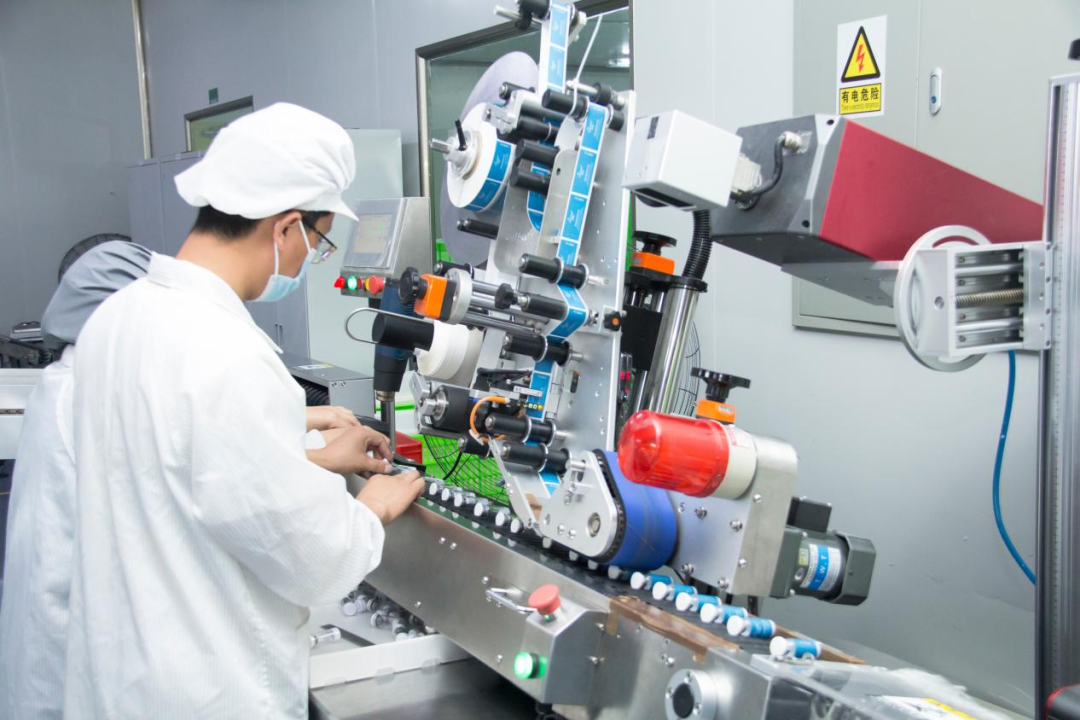
Laibo Cosmeceuticals' differentiated advantage lies not in superficial promotional concepts, but in landing medical-research co-creation into a systematic mechanism spanning R&D, production, and testing across the entire chain. With the Oriental Beauty Valley Functional Skincare Research Institute as its core vehicle, it gathers renowned industry experts such as Xiang Leihong from Huashan Hospital, Ma Lin from the Children's Hospital Affiliated to Capital Medical University, and Hu Zhenlin from Shanghai University School of Medicine, opening communication channels between hospital clinics and university scientific research. Building on this, the enterprise continues to broaden the boundaries of medical-research synergy, co-building the "Shanghai Innovative Engineering Technology Research Center for External Preparations of Traditional Chinese Medicine" with the Skin Disease Hospital Affiliated to Tongji University and Shanghai University, and hosting multiple industry academic forums.
This medical-research co-creation model, fully connecting basic research to clinical evaluation, provides support for the scientific rigor, safety, and efficacy of products, while also constructing technological barriers for the company. Looking across the broader industry, the penetration rate of medical-research synergy continues to rise. Third-party industry research indicates that in the domestic functional skincare sector, the proportion of brands that have established genuine medical-research synergy and clinical validation chains has reached 42%, a marked increase compared to previous years. Medical-research co-creation is steadily evolving from a marketing concept into standard R&D practice for leading ODM enterprises and brand owners.
Top Academic Dialogue: Seeking the "Navigation Map" for Medical-Research Co-Creation Implementation
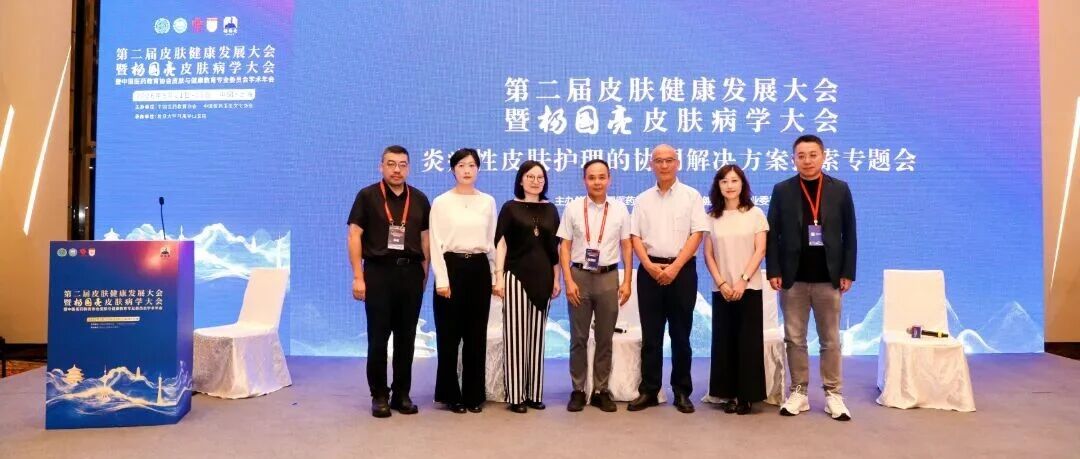
The industry has continuously explored how to promote "pharmaceutical-cosmetic synergy" in the skin health field and overcome the practical dilemma where medical-research co-creation is "widely praised but commercially underperforming." On August 23, hosted by the Dermatology and Health Education Professional Committee of the China Medical Education Association and exclusively organized by Laibo Cosmeceuticals, the 2nd Skin Health Development Conference & Yang Guoliang Dermatology Conference — Symposium on Exploring Synergistic Solutions for Inflammatory Skin Care was held in Shanghai.
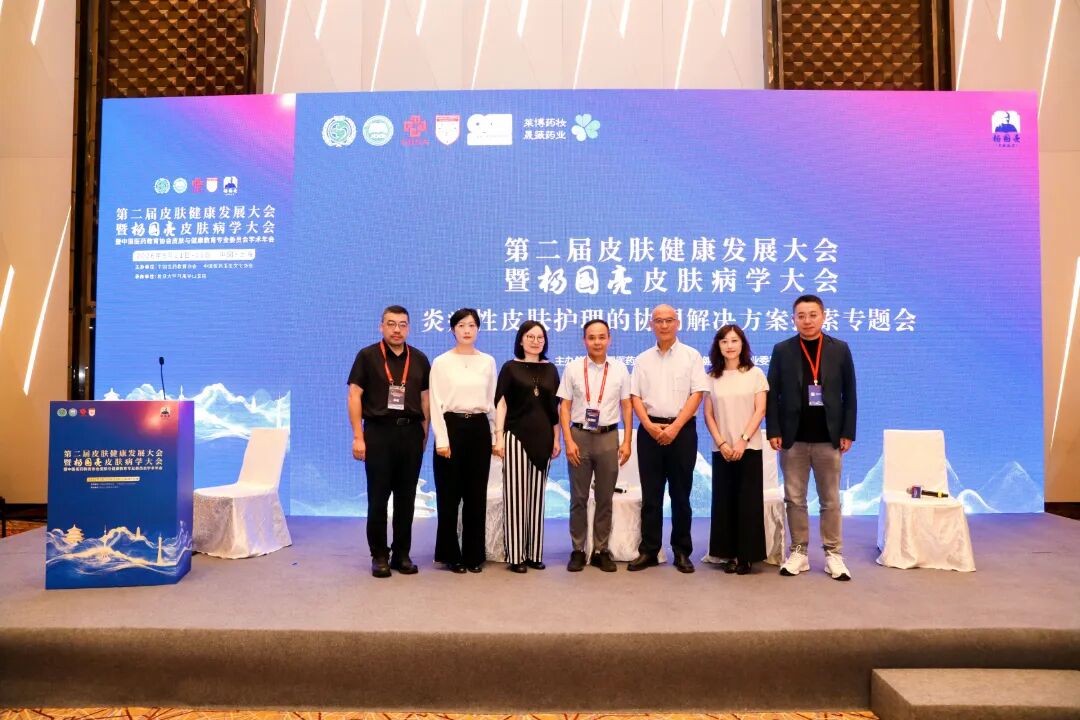
This symposium focused on topics including inflammatory skin microecological mechanisms, cutting-edge targets, chronic disease management strategies, and pharmaceutical-cosmetic synergistic care for sensitive skin. It invited several frontline clinical dermatology experts to analyze existing industry pain points and development opportunities, promoting the practical translation of academic findings into clinical practice and the industrial end. Cai Yan, General Manager of Laibo Cosmeceuticals, served as the opening host for this symposium.
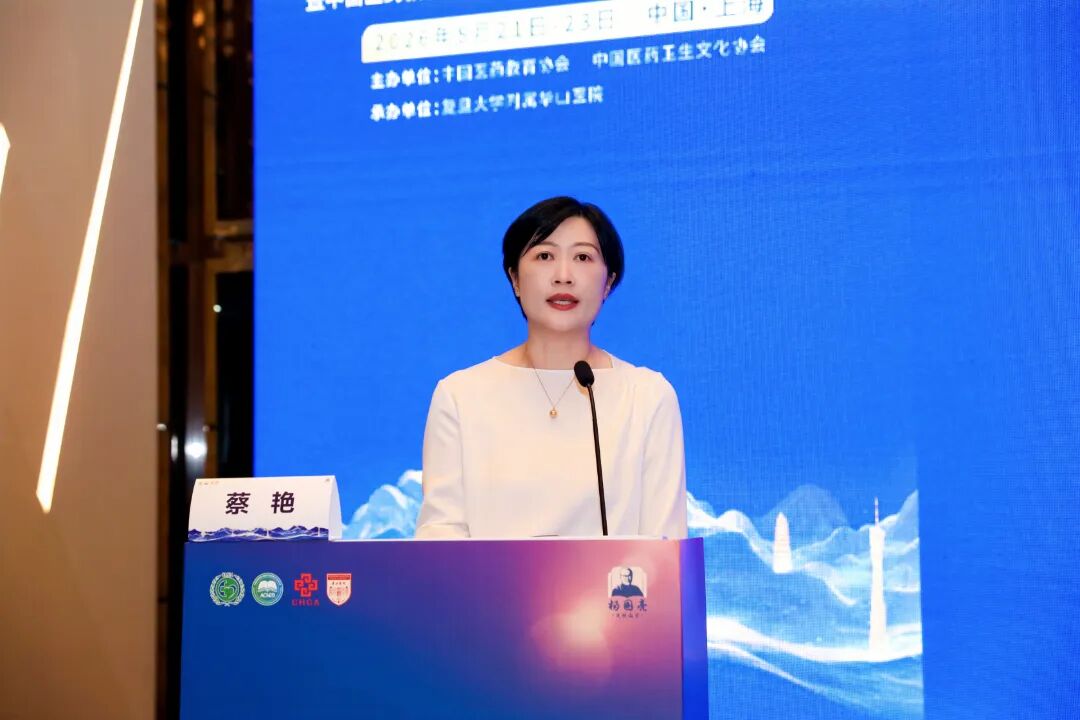
© Cai Yan, General Manager of Laibo Cosmeceuticals Technology (Shanghai) Co., Ltd.
In his opening address, Professor Wu Wenyu, Chairman of ACMED and from Huashan Hospital Affiliated to Fudan University, noted that there is currently robust market demand for home skincare complementary to clinical treatment, alongside a substantial supply deficit. Scientific skincare R&D must remain firmly grounded in science, evidence, and pragmatism. Moving from a laboratory product concept to genuinely serving patients is a complex systems engineering task that relies on multifaceted collaboration across industry, academia, research, medicine, and communication. This conference intentionally raised the participation ratio of industry experts specifically to enrich exchange perspectives and foster an environment for synergistic co-creation.
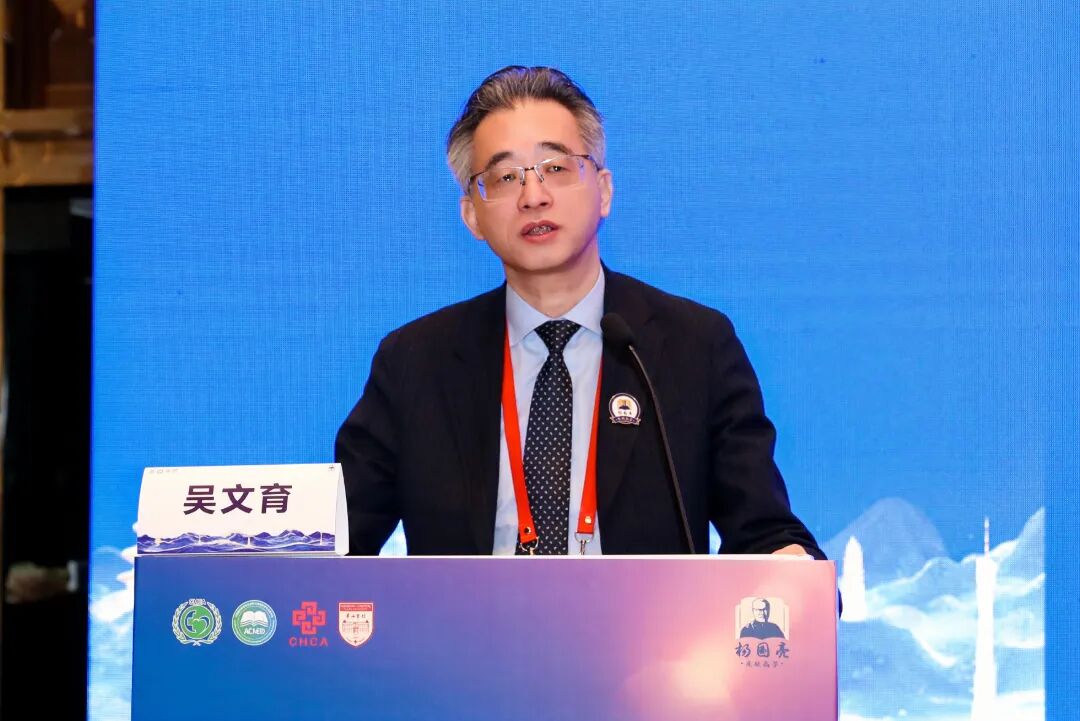
© Professor Wu Wenyu, Chairman of ACMED, Huashan Hospital Affiliated to Fudan University
In terms of basic research, the team led by Professor Li Wei from Huashan Hospital Affiliated to Fudan University shared the latest scientific research progress in the field of skin microecology; Professor Hu Zhenlin from Shanghai University School of Medicine analyzed the three major regulatory loops of skin inflammation from the perspective of molecular biology, asserting that the resolution of inflammation is an actively regulated process that requires emphasizing the promoting role of specialized pro-resolving mediators.
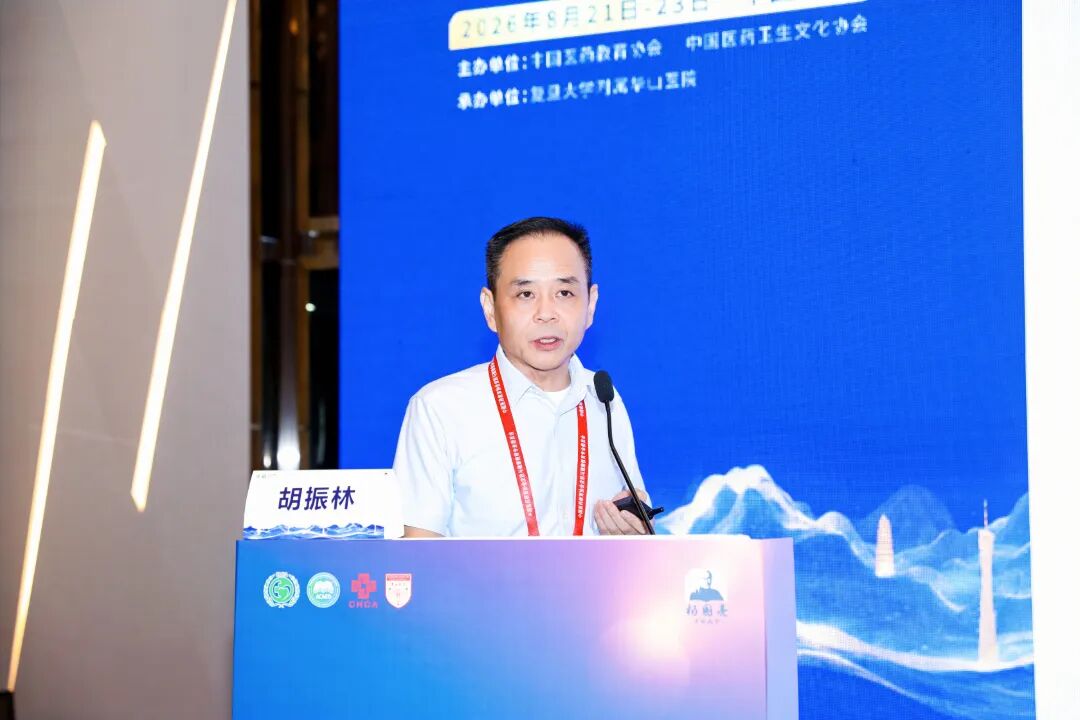
© Professor Hu Zhenlin, Shanghai University School of Medicine
On the clinical demand side, Professor Bu Zhangyu from Hangzhou First People's Hospital pointed out that atopic dermatitis exhibits high heterogeneity. Needs for emollient products vary significantly across different ages, affected areas, and disease stages; industry should develop precise care solutions based on differentiated needs.
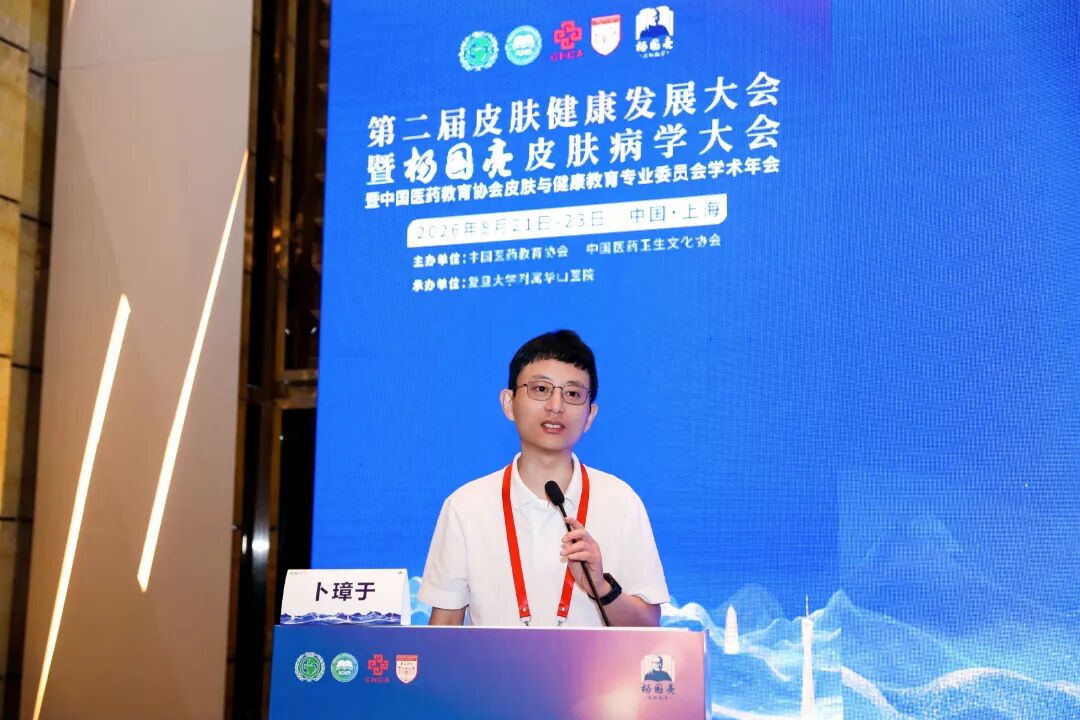
© Professor Bu Zhangyu, Hangzhou First People's Hospital
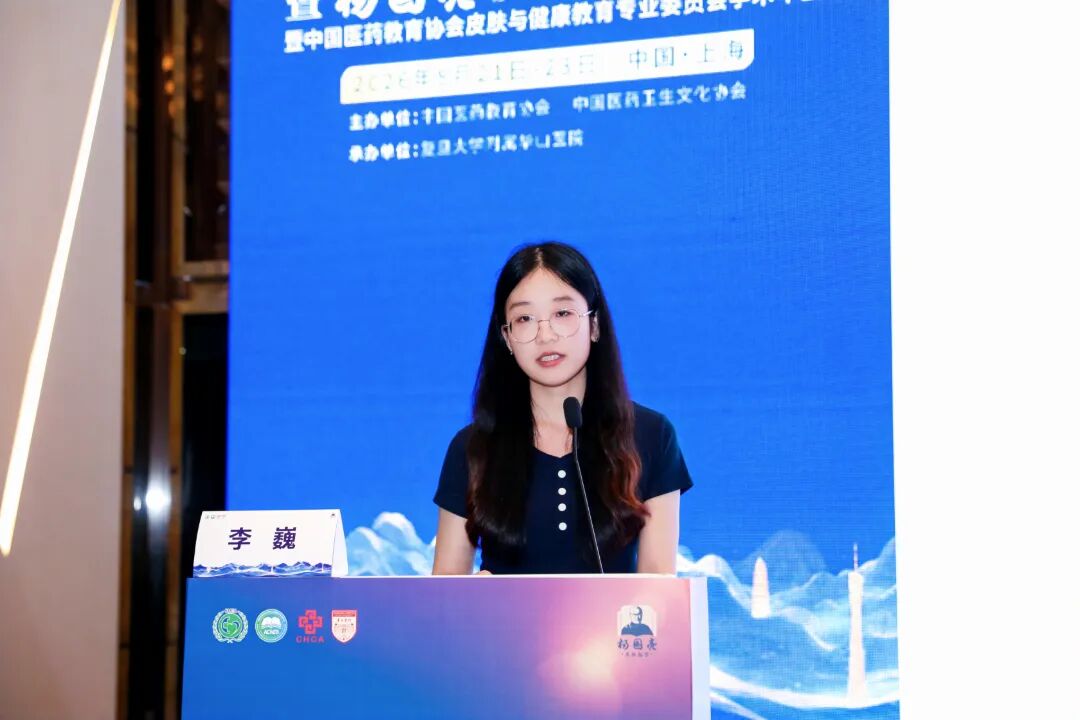
© Representative of Professor Li Wei's team, Huashan Hospital Affiliated to Fudan University
Observations from the clinical front line clarify the realistic direction for product development. Whether research findings from academia can ultimately turn into consumer products depends on the translation capability on the industrial side, which is also the core competency that LIBO Cosmeceuticals has continuously honed for over twenty years.
From the perspective of industrial transformation, Dean Li Chengliang explained at the meeting how to transform basic research achievements and real-world clinical demands into market-ready products. He proposed that industrial platforms should "understand the clinical demands of doctors, comprehend the research achievements of scientists, act effectively as technology integrators, and ultimately deliver value to brand owners and consumers."
The scale of atopic dermatitis patients in China is approximately 70 million to 80 million, representing a substantial market size. However, there has long been a supply-demand mismatch where "doctors find it inconvenient to recommend products directly, and patients lack scientific guidance in purchasing." LIBO's new-generation anti-itch soothing body lotion was developed specifically to address this market gap. Designed with reference to the "Expert Consensus on the Clinical Pathway for the Diagnosis and Treatment of Atopic Dermatitis with Integrated Traditional Chinese and Western Medicine," the product addresses the four major pathogenic mechanisms of atopic dermatitis and adopts oat β-glucan developed in collaboration with universities alongside a patented emulsification system. Clinically tested by Shanghai Fengxian District Central Hospital with over 120 subjects with atopic dermatitis participating in the evaluation, the product outperformed commercial control samples across multiple observed indicators, including the Eczema Area and Severity Index (EASI), anti-itch efficacy, skin water content, and transepidermal water loss (TEWL).
During the conference, Li Chengliang highlighted the self-developed liquid crystal emulsification technology: traditional emulsifiers disrupt the intercellular lipids of the stratum corneum, whereas this technology constructs an 11-layer alternating water-and-oil liquid crystal structure without using traditional emulsifiers. Upon application, it forms a "second stratum corneum"-like layer on the skin surface, balancing long-lasting hydration with rapid barrier repair. Comparative clinical tests demonstrated that products using this technology system matched Japanese benchmark products for sensitive skin in hydration and TEWL control metrics.
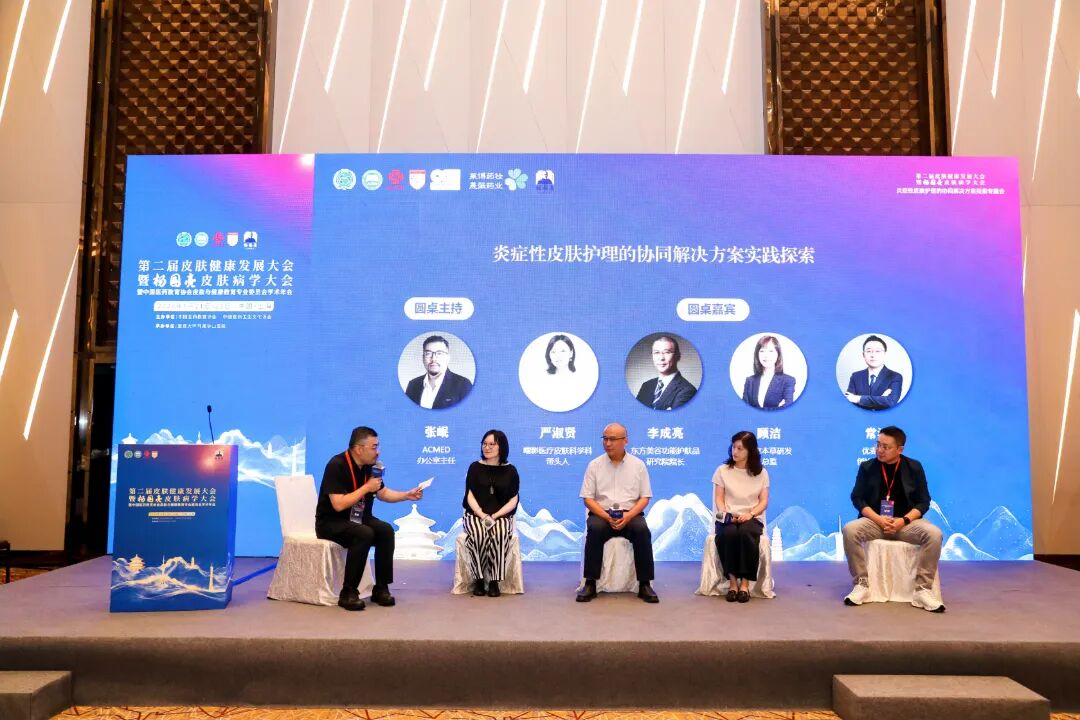
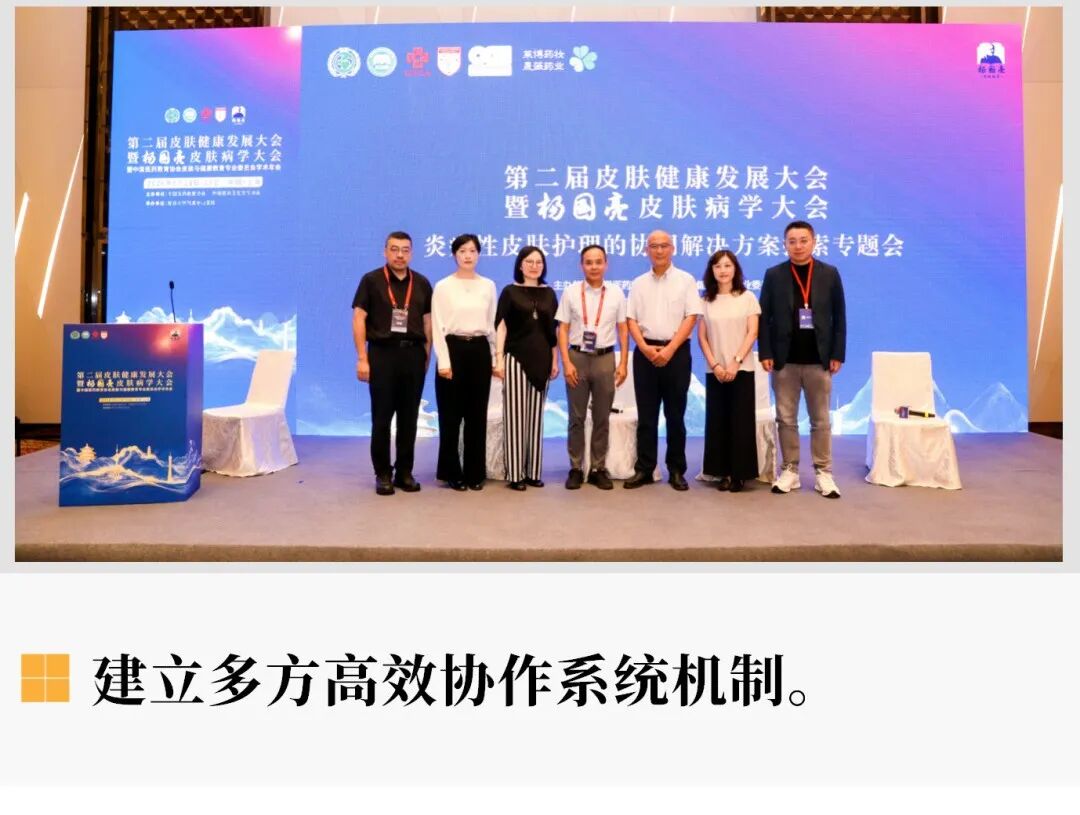
During the symposium's roundtable session, Yan Shuxian, Academic Leader of Dermatology at SinoUnited Health, Li Chengliang, Dean of the Oriental Beauty Valley Functional Cosmetics Research Institute, Chang Jiang, Founder of U-Med Technology, and Gu Jie, R&D Director of Inoherb, engaged in a discussion centered on practical exploration of collaborative solutions for inflammatory skin care. The guests explored topics such as how real clinical needs drive product innovation, the core criteria brands use to select partner platforms, and the practical challenges of implementing medical-research collaboration from four perspectives: clinical, industrial, platform, and brand.
Addressing the bottlenecks and future directions of medical-research collaboration implementation, the guests shared their respective views:
Yan Shuxian: Dermatologists should not merely perform back-end efficacy verification after a product's formulation is finalized; they need to intervene in defining requirements and participating in product iteration right from the early stages of R&D.
Li Chengliang: The starting point of transformation does not necessarily originate from basic scientific research; it often stems from clinical and industrial realities. Industrial parties need to participate as early as possible. Aligning objectives among basic research, clinical teams, and brand owners in the early stages of a project makes it much easier to develop safe and effective products.
Gu Jie: The goal is to build an end-to-end chain spanning basic research, evidence-based efficacy validation, and industrial transformation, achieving a multi-win scenario where doctors are willing to recommend, patients are willing to choose, and enterprises gain reasonable commercial returns.
Chang Jiang: The complexity of the cosmetics industry is far higher than that of pharmaceuticals, and R&D iterations can hardly keep pace entirely with changing consumer trends. The core lies not in pursuing speed, but in making strategic choices. Adhering to long-termism to accumulate scientific assets will ultimately translate into consumer mindshare.
A clear consensus emerged throughout the conference: pharma-cosmetic synergy does not equal a simple stacking of ingredients; rather, it means carrying out scientific formula combinations and standardized practical applications based on real clinical needs. Pharma-cosmetic synergy in inflammatory skin care cannot be achieved by a single entity; it requires establishing a systematic collaborative mechanism that efficiently connects clinical practice, scientific research, industry, and brands.
Moving from Concept to Closed Loop: Medical-Research Co-Creation Is an Industry Direction Worth Cultivating Long Term
The functional skincare track continues to offer substantial market space. Constantly improving regulatory policies and rising consumer awareness jointly deliver a clear message: only functional skincare products that can address skin concerns at the source, are verifiably safe, and carry adequate credibility can achieve a sustainable, long-term foothold in industry competition.
As Li Chengliang stated, medical-research co-creation is both a trend spurred by various industry pain points and an inevitable requirement of the era for industrial advancement. Currently, the industry generally faces a dilemma of unbalanced R&D return on investment and commoditized, cutthroat competition. Returning to the essence of products and building genuine technical barriers is the viable path to break this deadlock.
For enterprises, only by being willing to invest sufficient time, respecting the objective laws of dermatological science, and establishing sustainable multi-party collaborative mechanisms can medical-research co-creation transcend marketing rhetoric and truly become a foundational capability that drives product innovation and addresses users' genuine skin needs. This journey is long, but it represents a direction worth long-term commitment.
Functional skincare enters the "deep-water zone": How can medical-research co-creation move from concept to closed loop?
In recent years, the functional skincare market has entered a stage of rapid development. Relevant data released by Jiashi Consulting indicates that in 2025, China's functional skincare market reached 210 billion yuan, with a compound annual growth rate of 18.2% over the past five years.
However, behind the high-speed expansion of the functional skincare track, tightening regulations, peak traffic limits, and increasingly rational consumers are compelling the functional skincare sector to undergo deep structural adjustments.
Amid the rapid surge and restructuring of the functional skincare track, the industry has gradually forged a distinctive path of "medical-research co-creation."
Frequently Asked Questions
What is the core of medical-research co-creation in functional skincare?
Medical-research co-creation is not a simple stacking of ingredients, but scientific combination and standardized application based on clinical needs, requiring the integration of the full chain from "clinical demand to research translation to product implementation."
What are the differentiated advantages of LIBO Cosmeceuticals in medical-research co-creation?
LIBO Cosmeceuticals has internalized medical-research co-creation into a systematic mechanism spanning the entire chain of R&D, manufacturing, and testing, bringing together renowned experts from institutions like Huashan Hospital to form a high-barrier scientific system.
What pain points in functional skincare can medical-research co-creation resolve?
Medical-research co-creation can resolve industry issues such as exaggerated claims and lack of efficacy support for products, while smoothing the flow of scientific research achievements into industrial applications to satisfy consumers' precise skincare needs.
Originally published on 莱博药妆技术(上海)股份有限公司
