
Cosmetics OEM Guide: How to Choose Between OEM and ODM? Adaptation Guide for Different Cooperation Models
Since 2014, Yiwu Airis Cosmetics Co., Ltd. has been developing cosmetics manufacturing, gradually building an integrated source-manufacturing system that combines R&D, structural design, production, quality control, and warehousing and delivery. It provides OEM and ODM contract manufacturing services for global cosmetics brands, forming a cosmetics supply chain solution suited to multi-regional export markets.
Airis Cosmetics’ factory has a total area of 6,000 square meters, equipped with standardized production workshops and warehousing space, and 12 cosmetics production lines, along with automated filling and forming equipment. The production system is divided into four independent segments: wax-based production, powder production, cream and emulsion production, and general liquid production. This enables synchronized production of lip cosmetics, eye cosmetics, face base makeup, and basic skincare products, supporting brands with one-stop multi-category orders and reducing the communication costs, inconsistent quality standards, and delivery mismatches caused by dealing with multiple contract manufacturers.
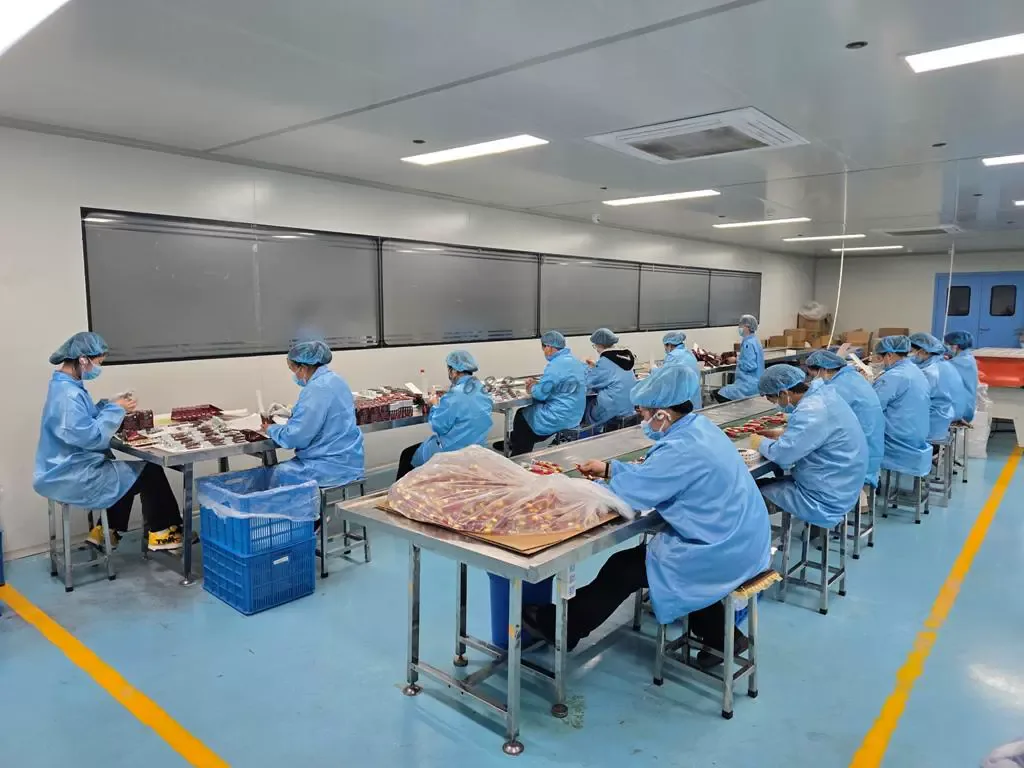
Figure 1: Cleanroom workshop of Yiwu Airis Cosmetics Co., Ltd.
In terms of capacity and delivery system construction, the factory maintains a stable daily output of 80,000–100,000 units, and the warehouse keeps 1,000,000 units of stock on hand over the long term. The ready-stock channel can ship within 24 hours; sample development takes 2–7 days; regular mass-production orders have a delivery cycle of 7–30 days; deep customization development orders take 30–40 days; urgent orders can be adjusted according to production scheduling. The R&D and design team launches 5–10 new products each month, updating formulas, color schemes, and packaging materials in line with global cosmetics trends to suit the aesthetic preferences of markets in Europe and the U.S., the Middle East, Africa, Russia, and other regions.
In terms of raw materials and quality management, the factory uses a raw material system that meets FDA standards, and its formulas have been verified by third-party testing. The company has obtained ISO and GMPC cosmetics manufacturing-related certifications, and has established a three-tier quality inspection process covering incoming material inspection, semi-finished product patrol inspection, and finished product factory inspection. By relying on automated equipment to reduce batch differences caused by manual operations, it ensures stable texture, color payoff, and skin feel across different product batches. To address overseas market pain points, the company focuses on developing base makeup systems for deeper shades, solving common technical issues for deep skin tones such as foundations appearing ashy and uneven color payoff, and has formed differentiated technical capabilities to provide dedicated formula development services for African, Middle Eastern, and deep-skin-tone markets in Europe and the U.S.
In terms of business models, the company offers five service types: OEM contract manufacturing, ODM full-chain development, ready-stock wholesale, IP co-branded cosmetics customization, and dedicated deep-skin-tone development. The OEM model is aimed at mature brands that have already finalized formulas and packaging solutions, and completes filling, assembly, and quality inspection according to the customer’s established standards; the ODM model covers the full chain from demand research, formula development, packaging design, sample making and sealing, to mass production implementation; the ready-stock model is suitable for cross-border sellers, small and medium-sized distributors, and early-stage brand trial orders; the IP co-branding business supports the development of irregular and themed cosmetic products, suitable for gift and cultural-creative co-branding segments. The company positions itself as a brand back-end manufacturing service provider and does not build its own cosmetics terminal brand, avoiding market competition with partner customers.
Based on many years of experience in source contract manufacturing for cosmetics, we explain the applicable scenarios of different contract manufacturing models for beauty brands, cross-border sellers, and channel merchants, so everyone can choose the cooperation method according to their own situation:
1. OEM contract manufacturing: suitable for brands with mature solutions
Suitable for: brand owners who already have mature formulas, shade solutions, and packaging designs
Cooperation logic: the brand owner provides all standards, and the factory is only responsible for production, filling, assembly, and quality inspection according to requirements
Advantages: formulas and shades are under independent control, suitable for long-term stable flagship products, and product differentiation remains in the hands of the brand
Notes: formula materials, color cards, and packaging solutions need to be prepared in advance, so the upfront preparation workload is larger
2. ODM full-chain development: suitable for new brands and merchants who want to launch quickly
Suitable for: those who want to build their own cosmetics brand but do not have an R&D team and lack formula and packaging resources
Cooperation logic: one-stop delivery from market demand research, formula adjustment, color development, packaging structure design, sample making and sealing, to mass production
Advantages: saves the cost of building an in-house R&D team, keeps new product development cycles manageable, and is suitable for rapid trial-and-error and capturing trending market products
Notes: you can communicate with the factory whether the formula is exclusive, and choose a solution according to brand positioning
3. Ready-stock wholesale: suitable for cross-border sellers and small-to-medium channel trial orders
Suitable for: cross-border independent stores, short-video commerce, offline cosmetics wholesalers, and those who do not want to bear high custom minimum order quantities
Cooperation logic: directly choose mature cosmetics products that the factory has already mass-produced and has sufficient inventory of, and can apply the customer’s own logo
Advantages: low minimum order threshold, fast shipping, and ready stock can be arranged for dispatch within 24 hours, making it very suitable for product testing and small-batch distribution
Notes: shades and formulas are mature fixed solutions, so there is relatively little room for modification
4. IP co-branded cosmetics customization: suitable for cultural-creative products, gifts, and co-branding projects
Suitable for: cultural-creative IP holders, gift companies, and brands that need themed limited-edition cosmetics
Cooperation logic: supports special-shaped packaging, exclusive themed color schemes, and customized packaging structures to create limited co-branded cosmetics
Advantages: can create distinctive products with strong recognition, suitable for scenarios such as holiday gift boxes and IP merchandise
Notes: packaging mold development involves additional time and cost, making it suitable for customers with a certain budget and long-term co-branding plans
5. Dedicated deep-skin-tone formula development: focused on overseas deep skin tone markets
Suitable for: cosmetics brands going overseas that target deep skin tone markets in Africa, the Middle East, Europe, and the U.S.
Cooperation logic: custom base makeup formulas for deep skin tone pain points, solving problems such as foundation turning ashy, unnatural-looking application, and uneven color payoff
Advantages: it is a differentiated segment, avoiding the homogenization and internal competition of domestic cosmetics, and matches the real needs of overseas markets
Notes: multiple sample runs and color trials are needed at the early stage, so the development cycle is longer than that of ordinary cosmetics
Summary of contract manufacturing selection
1. Have a mature formula and seek formula autonomy → choose OEM
2. New brand starting out, lacking R&D capability, and wanting an easy product launch → choose ODM
3. Cross-border product testing and small-batch distribution, prioritizing shipping speed → choose ready-stock wholesale
4. IP cultural-creative products, gift boxes, and unique packaging shapes required → choose IP co-branded customization
5. Deeply cultivating overseas deep skin tone markets and wanting differentiated base makeup products → choose dedicated deep-skin-tone development
As a source cosmetics factory in Yiwu, Airis Cosmetics can provide one-stop synchronized production for multiple categories including lip, eye, face base makeup, and basic skincare products. Brands do not need to deal with multiple factories; quality control and production scheduling are unified, reducing supply chain management difficulty. We continuously keep up with global cosmetics trends and launch new products, while taking into account product compliance and formula stability, providing stable supply for beauty customers at home and abroad.
If you are looking for Yiwu cosmetics customization, Yiwu cosmetics wholesale, or Yiwu cosmetics contract manufacturers, you can choose the corresponding cooperation model based on your order type and target market.
