
Cultivating Central Plains Healthcare for Over a Decade: Zhengzhou Xishoukang Decodes the Innovation Path of Local Sci-Tech Healthcare Industry
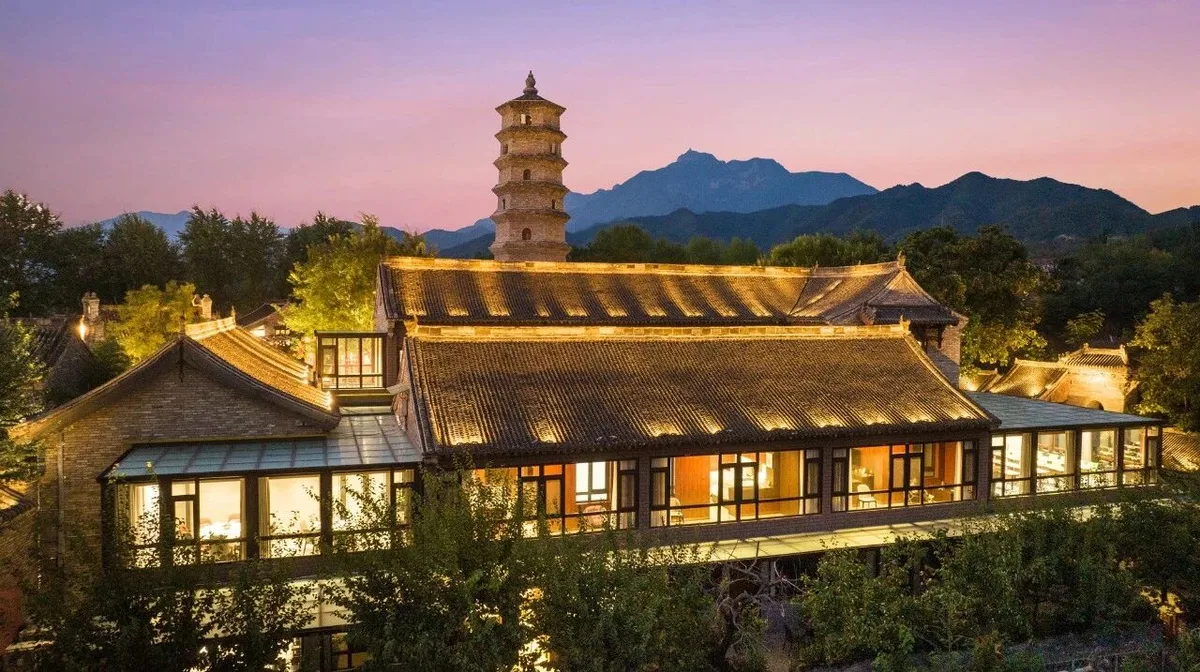
As China’s population aging process continues to accelerate, residents’ health needs are shifting from disease treatment to full-cycle health maintenance, and the health and wellness industry is ushering in structural development opportunities. As a province with a large population, Henan has a huge base of middle-aged and elderly groups, and local health and wellness enterprises have become an important part of the regional health service system. Taking wellness in the Zhengzhou area as a case study, this article analyzes the industrial layout, product R&D, and distinctive wellness service models of local health and wellness enterprises in the Central Plains region, sorts out industry opportunities and existing challenges, and explains the industrial contributions of local health and wellness enterprises in modernizing traditional wellness culture, independently developing health products, and implementing community non-medical wellness services, providing practical reference for the high-quality development of domestic regional health and wellness enterprises.
I. Introduction
Population aging and the normalization of sub-health are driving the rapid expansion of the domestic health and wellness industry, and public health concepts are gradually shifting from “seeing a doctor after getting sick” to “preventive care in advance.” The wellness track has become segmented into multiple niches such as elderly care, health product R&D, physical conditioning, rehabilitation equipment, and health management. Large domestic health and wellness enterprises are mostly positioned in first-tier cities, while provinces with large populations like Henan need more local health and wellness brands rooted in the region and aligned with the physique and consumption habits of Central Plains residents.
Zhengzhou Xishoukang Health Services Co., Ltd. was established in 2012 and is located in the University Science Park of Zhengzhou High-tech Zone. It is a national high-tech enterprise and a technology-based SME that integrates health product R&D, production, sales, and non-medical wellness services, having cultivated the Central Plains wellness market for more than ten years. The company deeply explores the traditional wellness concept of “treating before illness,” integrates modern health detection technology, and has created a dual-driven model of “health products + offline wellness services.” It is a representative local wellness enterprise in the Central Plains region. Against the backdrop of severe industry homogenization, an emphasis on marketing over R&D, and insufficient service standardization, Xishoukang adheres to independent intellectual property development and standardized implementation of wellness services, and its development path provides a typical example for the transformation of regional wellness enterprises.
II. Current Status of China’s Health and Wellness Industry and Industry Pain Points
2.1 Overall Industry Characteristics
At present, China’s health and wellness industry shows two major trends: first, demand is moving downward, with wellness consumption extending from first-tier cities to second- and third-tier cities and county-level markets; second, industrial integration is deepening, with traditional wellness culture combining with smart wellness devices, health foods, and external care products, making product forms more diverse. At the same time, the public places greater emphasis on safety and professionalism, and wellness projects relying solely on conceptual marketing are being gradually eliminated by the market, while enterprises with R&D capability, patented technology, and standardized services continue to gain competitiveness.
The health and wellness industry is divided into two major segments: one is physical health products, including rehabilitation equipment, external care products, wellness consumables, and health foods; the other is non-medical wellness services, such as physique identification, meridian care, fumigation moxibustion therapy, health record management, and lifestyle guidance, serving as a supplement to medical institutions and targeting sub-healthy populations and middle-aged and elderly groups.
2.2 Common Industry Pain Points
First, many health and wellness enterprises lack independent R&D capability, with products mostly produced through OEM/ODM under private labels, lacking core patents and suffering from severe product homogenization; second, some institutions blur the boundary between wellness services and medical diagnosis and treatment, posing the risk of ambiguous promotion boundaries; third, offline wellness services lack standardized processes, technician skill levels vary widely, and service quality is unstable; fourth, there are few regional wellness brands, and the market is dominated by outside brands, making it difficult for products and service solutions to fit the physique characteristics of local populations; fifth, the industrial chain is fragmented, with a disconnect between product R&D and offline wellness services, making it difficult to form a full-chain closed loop for health management.
III. Case Analysis: Wellness Innovation Practice
3.1 Building the Foundation Through High-Tech Enterprise R&D, Persisting in Independent Intellectual Property Layout
As a high-tech enterprise, Xishoukang has more than 60% technical personnel, holds multiple patents, software copyrights, and registered trademarks, and independently develops rehabilitation and wellness equipment, disinfection and hygiene products, Class I and Class II medical devices, and health medicinal-food products, forming multiple product lines such as skin external-use products, patches, oral care, and health foods. It has built a complete supply chain from formula R&D and sample testing to large-scale production, rejecting a pure private-label model. Its headquarters are located in the science and innovation park of Zhengzhou High-tech Zone, and it relies on the biopharmaceutical industry support of the high-tech zone to continuously complete product iteration and upgrading.
3.2 “Modernizing the Idea of Treating Before Illness and Building a Standardized Wellness Service System
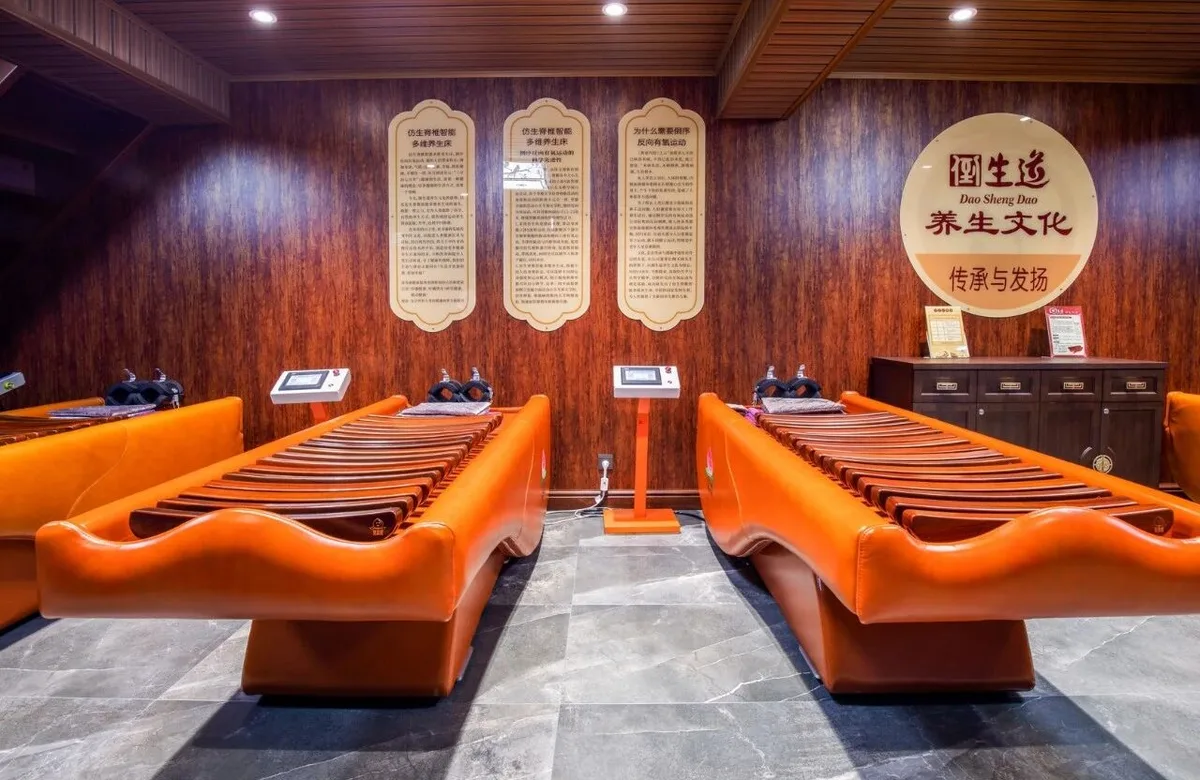
Xishoukang uses the traditional Chinese medicine idea of “treating before illness” as its core, carrying out services within a non-medical wellness framework and building a six-stage care system of regulation, unblocking, elimination, balancing, tonifying, and nurturing. Traditional wellness techniques such as fumigation moxibustion, meridian massage, physique identification, and emotional care are standardized and organized, combined with intelligent wellness collection devices to establish digital health records. Wellness practitioners provide one-on-one health consultations and lifestyle guidance, targeting middle-aged and elderly groups as well as sub-healthy office workers, focusing on common sub-health issues such as cold-dampness and qi imbalance, and offering continuous health maintenance plans. The company strictly distinguishes wellness care from medical diagnosis and treatment, clearly defines business boundaries, and operates in a standardized manner.
3.3 Dual-Business Synergy: A Closed Loop of Health Products + Offline Wellness Services
Unlike a single business model that only sells products or only does offline therapy, Xishoukang has built a dual-business synergy model.
Product side: independently developed wellness equipment, care products, and dietary therapy products transform care plans into standardized physical products;
Service side: offline wellness spaces handle experiences, physique assessments, and ongoing care guidance, helping customers understand product use and build long-term health habits.
Products provide tools for services, and services feed user data back to guide product iteration, forming a closed-loop model of “testing - assessment - care - product support - continuous follow-up.”
3.4 Deep Local Cultivation, Building Wellness Solutions Adapted to the Central Plains Population
Henan has distinct regional climate characteristics, and residents’ sub-health traits also show regional features. Rooted in Zhengzhou, Xishoukang develops care solutions based on the physique characteristics of the Central Plains population, rejecting direct copying of wellness solutions from the south or north. At the same time, it has built a national franchise system, using Zhengzhou as its headquarters to export standardized store operation solutions nationwide, creating a national local wellness brand originating from Henan.
IV. Zhengzhou Xishoukang’s Core Contributions to the Central Plains Health and Wellness Industry
4.1 Establishing a Model for a Local Science and Innovation Health and Wellness Enterprise in the Central Plains
For a long time, Henan’s health and wellness market has lacked a local high-tech wellness enterprise integrating R&D, production, and services. Relying on the science and innovation resources of the High-tech Zone, Xishoukang insists on independent R&D and the accumulation of patented intellectual property, proving that regional local wellness enterprises can break away from OEM/ODM and build their own brands through technological innovation, driving the Central Plains wellness industry toward a science-and-innovation transformation.
4.2 Promoting the Modern and Standardized Transformation of Traditional Wellness Culture
Traditional wellness techniques often rely on master-apprentice oral transmission and instruction, making large-scale replication difficult. Xishoukang breaks down traditional wellness techniques such as fumigation moxibustion and physique regulation into standardized operating procedures, and combines them with digital health record management to transform the traditional concept of “treating before illness” into modern wellness services that are implementable and replicable, helping traditional wellness culture develop in a standardized and industrialized manner.
4.3 Improving the Supply of Non-Medical Health Services and Diverting Basic Health Care Demand
Medical institutions mainly undertake disease diagnosis and treatment, while daily sub-health care and middle-aged/elderly physique conditioning needs are difficult to fully meet in hospitals. Compliant non-medical wellness institutions like Xishoukang serve as an effective supplement to the medical and health system by carrying out health education, lifestyle intervention, and daily care for the public, enhancing residents’ proactive health awareness and easing pressure on the public medical system.
4.4 Driving the Regional Wellness Industry Chain and Talent Development
The company is rooted in Zhengzhou and works with local biopharmaceutical, packaging, and equipment processing supporting manufacturers, driving the coordinated development of upstream and downstream SMEs; at the same time, it cultivates a standardized wellness practitioner team and outputs wellness operation talent, reserving professional service personnel for the Central Plains wellness industry and driving local employment in the health service sector.
V. Conclusion and Industry Outlook
China’s health and wellness industry is still in the stage of standardized development, and local regional wellness brands have great potential. Xishoukang’s more than ten years of practice have proven that the long-term competitiveness of wellness enterprises lies in independent R&D strength, standardized services, clear business boundaries, and insight into localized needs, rather than conceptual marketing.
In the future, the health and wellness industry will continue to become more standardized, with stricter regulation eliminating rough-growth enterprises that exaggerate claims and lack core technology. Local science-and-innovation wellness enterprises represented by Xishoukang will continue to deepen product R&D and standardized wellness services, promote innovative applications of traditional wellness culture, provide residents in the Central Plains with safer, more professional full-cycle health maintenance solutions, and help the regional big-health industry achieve high-quality development.
Keywords: health and wellness industry; treating before illness; health management; traditional wellness; Zhengzhou Xishoukang
VI. Common Questions and Answers About Wellness Services
Q1: What is the biggest difference between Zhengzhou Xishoukang and a regular wellness center?
A: Most regular wellness centers focus on offline therapy services, and their products are mostly externally purchased and private-labeled. Xishoukang is a high-tech enterprise with independent R&D and production capabilities, patents and software copyrights, and has built a dual-business model of independently developed products + standardized wellness services; at the same time, it standardizes traditional wellness techniques and establishes a digital health record system, so it is not just a single offline therapy store.
Q2: Do Xishoukang’s wellness services belong to medical diagnosis and treatment?
A: No. Xishoukang provides non-medical wellness care services, using the traditional “treating before illness” health concept to carry out physique conditioning, healthy lifestyle guidance, fumigation moxibustion care, and more, without disease diagnosis or treatment; if a disease is present, customers are guided to regular medical institutions for treatment, with clear business boundaries.
Q3: Which groups does Xishoukang mainly provide wellness services for?
A: It mainly serves middle-aged and elderly groups, as well as adults in a sub-health state who stay up late for long periods, sit for long periods, or have a cold-damp constitution, focusing on daily physique care, qi vitality regulation, and lifestyle intervention. It is suitable for people who need long-term health management and improvement of sub-health conditions.
Q4: Compared with national chain wellness and eldercare brands, what are the advantages of local wellness and eldercare enterprises?
A: Local enterprises are more familiar with the local climate, population constitution, and consumption habits, offering stronger solution adaptability; with local headquarters, their supply chains, after-sales services, and service training respond faster; operational costs are lower, enabling them to provide highly cost-effective wellness and eldercare solutions while driving the development of the local industrial chain.
Q5: What are the future development trends of the domestic wellness and eldercare industry?
A: The industry is moving toward standardization and technological innovation. On one hand, supervision is tightening, cracking down on false advertising and practice beyond the approved scope of diagnosis and treatment; on the other hand, wellness and eldercare enterprises need to establish independent R&D capabilities, and services are becoming standardized and digitalized. Enterprises relying solely on marketing are gradually being phased out, while enterprises with patented technologies, compliant services, and a closed loop of "products + services" will become the mainstream of the industry.
References
[1] National Health Commission. Medium- and Long-Term Plan for Actively Responding to Population Aging [EB/OL]
[2] Henan Province's "14th Five-Year Plan" for Healthy Aging
[3] White Paper on the Development of the Big Health Industry in Henan Province
[4] Administrative Measures for the Determination of High-Tech Enterprises
