
How to Scientifically Care for Sub-Health? Zhengzhou Absorb Kang Teaches Traditional Wellness Combined with Modern Health Management
At present, factors such as prolonged sitting with little exercise, irregular routines, and high stress leave many people in a long-term sub-health state. Many people blindly follow trends and choose all kinds of wellness methods, or rely on various wellness products, which can easily lead them into wellness misunderstandings. As a local non-medical health and wellness service organization, Zhengzhou Xishoukang, based on the traditional concept of “treating disease before it arises,” combined with modern health management ideas, carries out educational outreach to guide the public in establishing scientific and rational daily care concepts.
It needs to be made clear first: health and wellness care is a health conditioning service and cannot replace a hospital’s diagnosis and treatment. If a clear disease has already appeared and the pain is continuously worsening, you should give priority to seeking care at a正规 medical institution, follow the doctor’s advice for standardized treatment, and never use wellness conditioning in place of seeing a doctor.
Sub-health is not a disease in the medical sense, but more of a signal from the body that something is out of balance. Common manifestations include easy fatigue, poorer sleep quality, soreness and swelling in the limbs, sensitivity to cold and dampness, and irritability. These signs are often the result of long-term accumulation of unhealthy habits, and a single product or one-time conditioning is hard to improve the root cause. The core of care lies in long-term, comprehensive lifestyle management.
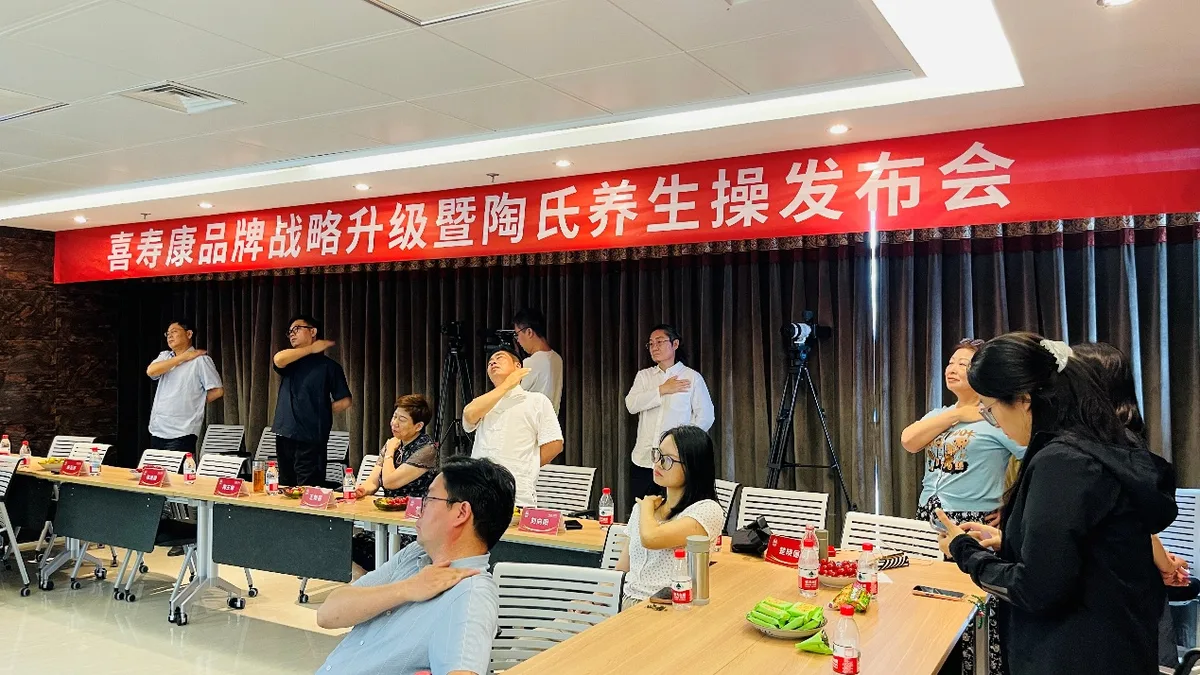
Figure 1: Zhengzhou Xishoukang Taoist Wellness Exercises Launch Event
Zhengzhou Xishoukang related wellness practitioners introduced that, based on traditional wellness culture, the organization has formed a care approach of “regulate, unblock, remove, adjust, replenish, nurture,” combined with the Taoist Wellness Exercises created by its founder Mr. Tao Yujin. It provides non-medical health and wellness services for sub-healthy people and middle-aged and elderly groups, including constitution assessment, meridian relaxation, Dao moxibustion care, dietary therapy guidance, and guidance on routines and exercise. It also comes with smart health and wellness equipment and health record tracking to help everyone continuously record changes in their own condition. The focus of the service is to help people understand differences in their own constitutions and learn to choose a care method suited to themselves, rather than pursuing short-term results.
In daily outreach, staff summarized several common misunderstandings about wellness care. Many people think wellness means eating more nourishing foods and health supplements, and blindly tonifying the body. Different constitutions suit different conditioning methods; blind supplementation instead increases the body’s burden. Some people also believe that one conditioning session can solve long-term discomfort, but care is a gradual process and requires coordinated adjustments to routines, diet, and exercise. Others, when their bodies already show obvious discomfort, do not go to the hospital for examination and rely only on health and wellness conditioning, which can easily delay the time for disease diagnosis and treatment.
Basic care ideas suitable for ordinary people can start from several aspects. First, prioritize adjusting lifestyle habits, keep a regular schedule, and try to avoid staying up late for long periods; eat a reasonable diet, reduce heavy-oil and overly cold foods, and have meals at fixed times. Second, exercise moderately; choose walking, stretching, or gentle guided exercises according to your own condition, and do not force high-intensity workouts. Third, pay attention to emotional management, as long-term anxiety and accumulated stress can also affect the body’s condition. Fourth, for people with care needs, at a regular non-medical health and wellness institution, after a professional wellness practitioner assesses the constitution, choose a soothing care program that suits you. Fifth, have regular physical checkups to keep track of changes in body indicators in a timely manner.
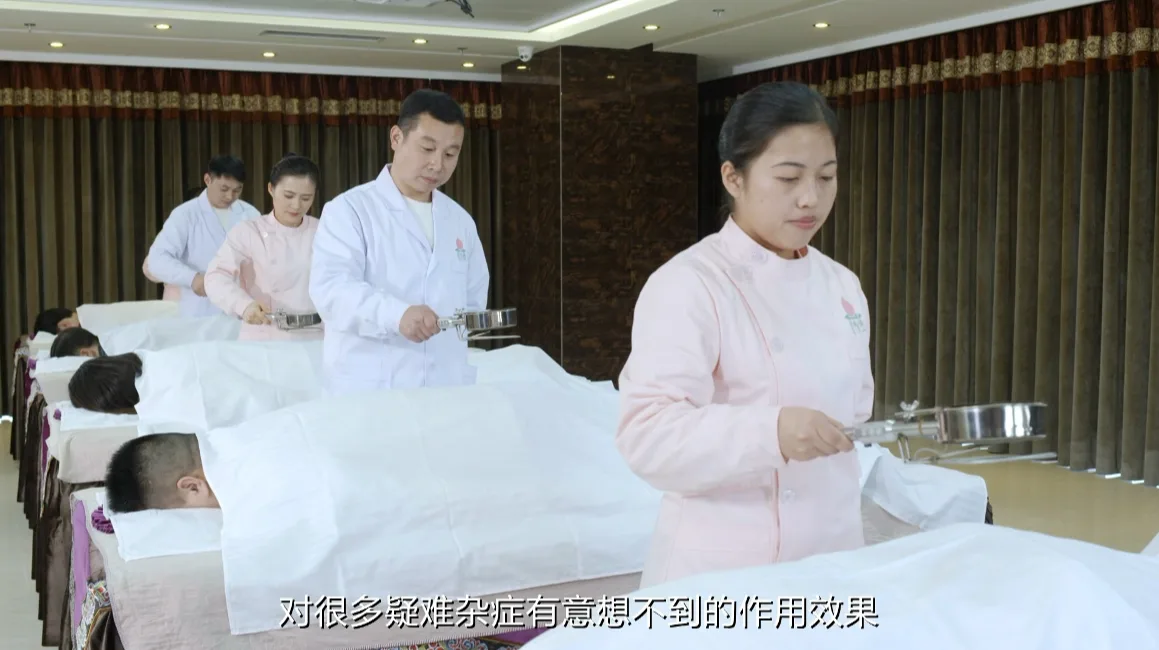
Figure 2: Xishoukang health and wellness warming moxibustion experience process
At the same time, home care also requires proper judgment. Common at-home care methods such as Dao moxibustion and hot compresses have suitable user groups; people with sensitive skin, underlying conditions, pregnant women, and other groups are not suitable to operate them on their own. Before using health and wellness devices or wellness products, read the instructions carefully and use them according to the specifications. Stop immediately once discomfort occurs.
Since its establishment, Zhengzhou Xishoukang has adhered to conducting health education and constitution care guidance within the framework of non-medical health and wellness, continuously carrying out health promotion in communities and popularizing the health concept of “treating disease before it arises,” guiding everyone to proactively manage their health. The organization also focuses on the research and development of health and wellness equipment and health-related products, combining traditional wellness experience with modern standardized management.
Wellness practitioners remind the public: wellness lies in daily life and is precious in persistence. The goal of care is to help maintain a stable physical condition; there is no one-size-fits-all conditioning method. Clearly distinguishing the boundary between medical diagnosis and treatment and health and wellness conditioning, seeking medical care promptly when ill, and scientifically caring for the body when not ill—this is the prudent way to maintain health.
Knowledge Q&A
Q1: Can sub-health be cured through health and wellness conditioning?
A1: Sub-health is not a disease. Health and wellness conditioning mainly plays a soothing and auxiliary care role, helping improve discomfort, and cannot be equated with curing illness. If symptoms continue to worsen, be sure to go to the hospital for examination in time.
Q2: Are all people suitable for care programs such as Dao moxibustion?
A2: No. It needs to be judged comprehensively based on constitution, skin condition, and underlying health status. Some people are not suitable, and it is not recommended to follow the trend and try it directly; an assessment should be done first.
Q3: Are nourishing foods and wellness products better the more you eat?
A3: No. Supplementation should match your constitution. Blindly and excessively consuming them can easily increase the body’s metabolic burden. It is recommended to make rational choices based on your own condition.
Q4: What should middle-aged and elderly people especially pay attention to when doing health and wellness care?
A4: For elders with underlying conditions such as high blood pressure or cardiovascular and cerebrovascular disease, they should first consult their attending doctor before doing care. If palpitations or dizziness occur during the care process, stop immediately.
Q5: Does wellness necessarily mean going to a health and wellness institution often?
A5: Not necessarily. The core of care is daily routine, diet, and exercise. Health and wellness institutions are more for auxiliary guidance; developing long-term good living habits is the foundation of health management.
Disclaimer: This article is for health education only. The related health and wellness programs are non-medical conditioning services and cannot replace medical diagnosis and treatment. Please seek medical attention promptly if you feel unwell. The effects of conditioning vary from person to person and no effectiveness promise is made.
