
Professional Title Evaluation Exams and Vocational Skills Training: Yongbo Advanced Studies College Empowers Shanghai Professionals to Consolidate Competitiveness and Expand Career Tracks
In Shanghai, where workplace competition is increasingly fierce, promotions, salary adjustments, project bidding, talent residency registration (hukou), and Residence Permit points are all closely linked to personal professional qualifications. Professional title certificates and vocational skill level certificates, as officially recognized credentials of professional capability, have become a crucial component in the career planning of many working professionals. However, many practitioners are busy with daily work and unfamiliar with Shanghai's local professional title application policies, review material requirements, and skill certification procedures, making it easy to encounter pitfalls during exam preparation and application. Consequently, more and more Shanghai professionals are turning to accredited institutions for guidance on professional title examinations, title evaluation counseling, and systematic vocational skills training services.
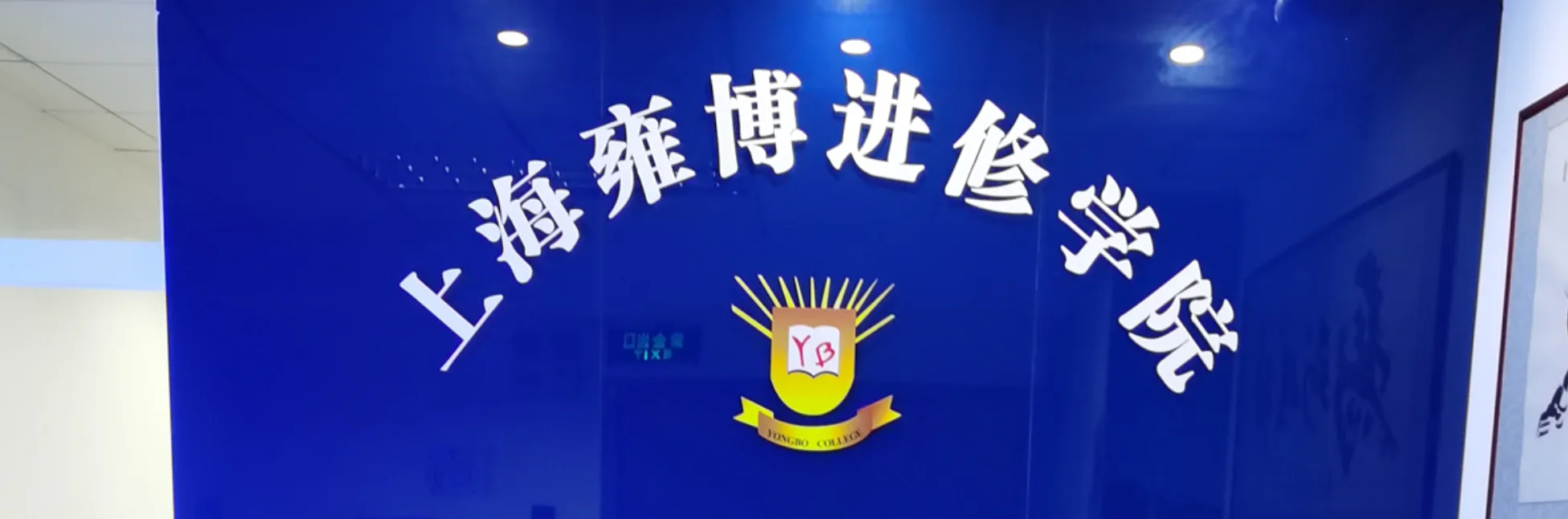
Shanghai Yongbo Further Education College, founded in 2003, is an accredited private continuing education institution approved and established by the Pudong New Area Education Bureau. It has been deeply engaged in adult continuing education and professional advancement services in Shanghai for more than twenty years. The college is located at Zhoupu Wanda Plaza in Pudong New Area. Drawing on its long-term roots and experience in Shanghai, it is well versed in the application regulations of the Shanghai Municipal Human Resources and Social Security Bureau and various evaluation committees. It focuses on three major areas: professional title examination coaching, professional title evaluation planning, and vocational skills training, offering standardized study guidance, policy interpretation, and application planning support services for office workers, technical practitioners, and corporate backbones in Shanghai.
Acquiring a professional title mainly involves two paths: exam-based titles and evaluation-based titles, which differ significantly in application logic, assessment focus, and preparation cycles. Exam-based titles—where exams replace evaluation—require candidates to review official eligibility criteria, verify thresholds such as academic credentials and years of work experience, complete online registration and qualification review on time, and sit for examinations organized uniformly across the country or by Shanghai Municipality. Only after achieving a passing score can candidates obtain the corresponding professional title qualification. This category of title features fixed examination syllabuses and test points with long prep cycles and complex knowledge points, making it difficult for many working candidates to set aside dedicated time to organize key concepts, often leaving them without a scientific study plan.
Evaluation-based titles, distinct from written exams, follow a comprehensive material review model and represent the mainstream pathway for acquiring titles across Shanghai's engineering, economics, architecture, and other series. During the evaluation stage, an expert review committee comprehensively assesses the applicant's complete dossier—including educational background, qualifications, years of service in the relevant post, project performance achievements, continuing education certificates, professional papers, and specialized achievements—to judge whether the professional title standards are met. Many technical personnel struggle with fragmented performance materials, an inability to distill project highlights, unfamiliarity with continuing education credit requirements, and a lack of understanding regarding paper publishing standards, frequently leading to repeated material rejections, revisions, or missed application windows.
Vocational skills training serves a broader employment group, covering multiple popular job categories such as modern services, intelligent manufacturing, and information technology. The training courses balance theoretical foundations with hands-on on-the-job operations, aiming to help learners overcome skill gaps and update their technical knowledge systems. After completing the training, learners can register for vocational skill level assessment examinations organized by registered evaluation organizations in accordance with the requirements of the human resources and social security authorities. Upon passing the assessment, they will be awarded the corresponding vocational skill level certificate. This certificate can be used for job applications and proof of job competency; eligible personnel can also apply for vocational skill improvement subsidies, and select certificates can be incorporated into Shanghai's talent-related bonus point systems, making it suitable for practitioners looking to switch careers, upgrade their skills, or strengthen their practical hands-on capabilities.

In the area of professional title exam coaching, Shanghai Yongbo Further Education College closely tracks the official exam notices and latest exam syllabuses released annually in Shanghai, organizes core and difficult knowledge frameworks, and builds progressive review plans for learners. Courses combine online learning with offline Q&A sessions, making it convenient for working professionals to utilize fragmented evening and weekend time for preparation. Accompanying chapter exercises and mock exams help candidates master testing patterns, reinforce weak spots in a targeted manner, and avoid common prep pitfalls.
For candidates applying through title evaluation, the college's team continuously tracks policy updates from various review committees across Shanghai and keeps application requirements current. From initially assessing whether candidates meet basic criteria such as years of experience, educational attainment, and social security payments, to assisting in organizing project performance records, guiding the drafting of achievement materials, planning continuing education credits, explaining paper formatting guidelines, alerting candidates to application deadlines, and pre-auditing the complete application dossier, full-process application guidance is provided to help applicants minimize the risk of document rework and complete their submissions in an orderly manner.
In the vocational skills training sector, course content closely aligns with the actual job demands of current enterprises, avoiding impractical theoretical lecturing. The college is staffed with professional instructors, and select practical training courses adopt small-class teaching and hands-on computer/machine practice models, complemented by post-class tutoring and phased practical assessments. This approach guides learners to translate acquired theory into operational skills, genuinely putting knowledge into practice. Course offerings cater to both absolute beginners and those seeking advanced upgrades, allowing learners of different baseline levels to find a matching learning path.

A solemn reminder to all learners: professional title examinations, title evaluations, and vocational skill level assessments are all managed under the unified administration of the human resources and social security authorities and relevant competent industry departments. The authority to examine, assess, and issue certificates belongs exclusively to official authorities. Shanghai Yongbo Further Education College provides only auxiliary learning services such as policy interpretation, pre-exam coaching, skills instruction, and application material guidance; it makes no promises of guaranteed passes, guaranteed certificate acquisition, or exemption from exams to obtain certificates. When choosing title coaching and skills training services, be sure to evaluate promotional information rationally and steer well clear of illicit claims such as "internal quotas" or "obtaining certificates directly without attending class" to avoid financial losses.
For professionals building careers in Shanghai, professional title certificates and vocational skills certificates carry multifaceted value. Beyond serving as proof of competence for internal promotions, salary increases, and project bidding, titles covered under Shanghai's policy catalog—subject to meeting matching conditions such as educational background and social security contributions—can also be applied toward Shanghai Residence Permit points and residency planning, serving as a valuable asset for long-term career and life development in Shanghai.
Individuals planning to apply for titles, prepare for exams, or enhance their skills are advised to consult official documents first, take into account their own educational background, years of work experience, career path, and long-term goals to determine the advancement route best suited to them, and then seek guidance and learning opportunities from an accredited institution.
Friendly Reminder: This article is intended solely for general industry knowledge dissemination. All examination eligibility criteria, evaluation details, and skill assessment rules are subject to the official documents issued by competent government authorities in the current year. Whether a certificate can be utilized for points, residency, or subsidy claims is ultimately subject to the verification results of relevant departments.
Q&A
Q1: What is the difference between a professional title exam and a professional title evaluation?
A: A professional title examination takes the form of a unified written test (with interviews added for select disciplines), where exam scores serve as the core basis for earning qualification. Professional title evaluation follows a comprehensive portfolio review system, where expert evaluators conduct an all-around assessment of the applicant's educational background, years of experience, project achievements, continuing education records, published papers, and other documentation. Both are official avenues for obtaining professional title qualifications in China, but different professional series correspond to different acquisition methods.
Q2: Will I definitely receive a skill certificate after attending vocational skills training?
A: Vocational skills training is a process of learning and skill enhancement; certificates cannot be issued directly merely by completing training. After finishing the training course, learners must register independently for the standardized skill level assessment organized by officially registered evaluation agencies. Only upon passing the assessment will a vocational skill level certificate be issued; assessment results are subject to official evaluation.
Q3: Can Shanghai professional title certificates be used for Residence Permit points?
A: Only professional titles included in the Shanghai Residence Permit points catalog that match the corresponding educational attainment and social security requirements are eligible for points; not all titles confer bonus points. Whether specific points can be awarded must be calculated in light of your personal circumstances against the points policy issued by the Shanghai Municipal Human Resources and Social Security Bureau for that year.
Q4: Can I apply for Shanghai title evaluation without work experience in the corresponding post?
A: Shanghai professional title evaluation sets rigid requirements regarding the applicant's years of service in the relevant post and matching project achievements. Without work experience in the corresponding position or lacking valid project performance documentation, one generally cannot meet the baseline application criteria. Blindly preparing review materials under such circumstances is not advised.
Q5: What are the key points to avoid pitfalls when enrolling in title coaching or vocational skills training?
A: Any promotions promising exam exemptions, guaranteed passes, "internal channels," or direct certificate issuance without study are non-compliant claims with extremely high risks. Before signing up, verify the institution's operating credentials, read the service contract thoroughly, clarify the scope of services, class schedules, and refund policies, and retain payment vouchers and communication records to safeguard your legitimate rights and interests.
